Understanding What You’ll Pay for Pest Control Services
When you’re dealing with ants in the kitchen or mice in the basement, pest control cost is often one of your first concerns. You want the problem solved quickly, but you also need to know what you’ll actually pay.
Here’s what you can expect to pay for pest control services:
- One-time treatments: $100 to $600 depending on the pest and severity
- Monthly service visits: $40 to $75 per visit
- Quarterly maintenance: $100 to $300 per visit
- Annual programs: $300 to $900 per year
- Initial inspection: Often free, or $150 to $300 (usually applied toward treatment)
Specialized treatments cost more:
- Termites: $225 to $2,500 for barrier treatment, or $2,000 to $8,000 for whole-home fumigation
- Bed bugs: $300 to $500 per room, or $2,500 to $5,000 for an entire house
- Rodents: $200 to $1,200 for complete removal and exclusion
Nobody likes uninvited guests, whether it’s ants in the kitchen or mice in the attic. You need a solution that works without emptying your wallet.
The reality is that pest control costs vary widely based on what you’re dealing with, how bad the problem is, and whether you need a one-time fix or ongoing protection. Understanding these factors helps you make smart decisions and get the best value for your money.
The good news? Professional pest control doesn’t have to break the bank, and investing in the right solution now can save you thousands in potential damage and repeated treatments down the road.
I’m Mat Ledyard, owner of Black Dog Pest Solutions in Avon, Ohio. Since 2005, I’ve helped homeowners and businesses tackle pest problems. I know that understanding pest control costs helps people make confident decisions that protect their homes without overspending.
Understanding Average Pest Control Costs
The first question on most people’s minds is, “What’s the going rate?” On average, pest control costs homeowners anywhere from $300 to $900 per year. However, this is a broad average, and the exact price you pay will depend heavily on the type and frequency of service you choose.
For a one-time extermination, you can expect to pay between $100 and $600. This is typically for a specific, contained problem like a wasp nest or a small ant invasion. If you opt for recurring services, the costs spread out. Monthly pest control service might run you $40 to $75 per visit, while quarterly service for a 1,500-square-foot house usually falls between $100 and $300 per visit. For comprehensive annual plans, the range is generally $300 to $550.
It’s also worth noting that many professional pest control companies, including us at Black Dog Pest Solutions, offer an initial inspection. This inspection can sometimes be free, or it might have a fee of $150 to $300, which is often credited back towards your first treatment. This initial assessment is crucial for us to understand the scope of your pest problem and provide an accurate quote. For more detailed information, you can always check out our pest control services.

One-Time Extermination vs. Recurring Service Plans
When pests invade, you generally have two main options: a one-time extermination or a recurring service plan. Each has its place, depending on your situation.
A one-time extermination is ideal for an immediate, isolated pest problem, like a sudden spider invasion or a small ant trail. A single treatment can be effective for a contained infestation. However, it often acts as a band-aid, clearing the visible issue without addressing the root cause or preventing future invasions.
Recurring service plans, on the other hand, focus on preventative maintenance and long-term pest management. These plans typically come in monthly, quarterly, or annual frequencies.
- Monthly plans are often chosen for more persistent pest issues or for businesses that require continuous vigilance.
- Quarterly plans are a popular choice for homeowners, providing regular checks and treatments to keep common pests like ants, spiders, and roaches at bay throughout the year. As we’ve seen here in Northern Ohio, pest activity can shift with the seasons, making regular, proactive treatments incredibly valuable.
- Annual plans offer a similar preventative approach, often with fewer visits but comprehensive protection.
Choosing a recurring plan means we can monitor your property, apply treatments before infestations take hold, and adjust strategies based on seasonal pest behavior. You can explore our options for different times of the year with our Seasonal Pest Control Services.
How Recurring Plans Affect Your Pest Control Cost
While a one-time service might seem cheaper upfront, recurring plans can save you money in the long run and provide greater peace of mind. Here’s how:
Firstly, the per-visit cost is often lower with a recurring plan. For instance, while a one-time extermination might cost $100-$600, monthly visits can be as low as $40-$75 per visit. This makes ongoing protection more budget-friendly on a per-treatment basis.
Secondly, recurring plans offer long-term savings by preventing major infestations. Severe pest problems, like a widespread termite or bed bug infestation, can be incredibly expensive to treat, sometimes costing thousands of dollars. By maintaining a proactive pest control schedule, you significantly reduce the risk of these costly emergencies. Regular services prevent costly repairs and major infestations, stopping problems before they start.
Many recurring plans also include bundled services and year-round protection. Instead of just reacting to pests, we actively create a barrier around your home, address entry points, and apply seasonal treatments. This comprehensive approach ensures your Northern Ohio home is protected from a diverse range of pests year-round.
Recurring plans provide peace of mind. You won’t have to constantly worry about pests returning between treatments, as many plans include free touch-up services if pests reappear. This proactive approach lets us stay ahead of pest cycles, addressing issues while they are small and manageable, preventing a full-blown crisis. If you suspect you might have a pest problem, understanding the signs early can make a big difference in cost and complexity. Learn more about identifying issues with our guide: Do You Have a Pest Problem? Key Signs Every Owner Must Know.
What Factors Influence the Pest Control Cost?
While average costs are a good starting point, several factors influence your final pest control near me cost. Every home and infestation is unique, so these variables help determine the bill.
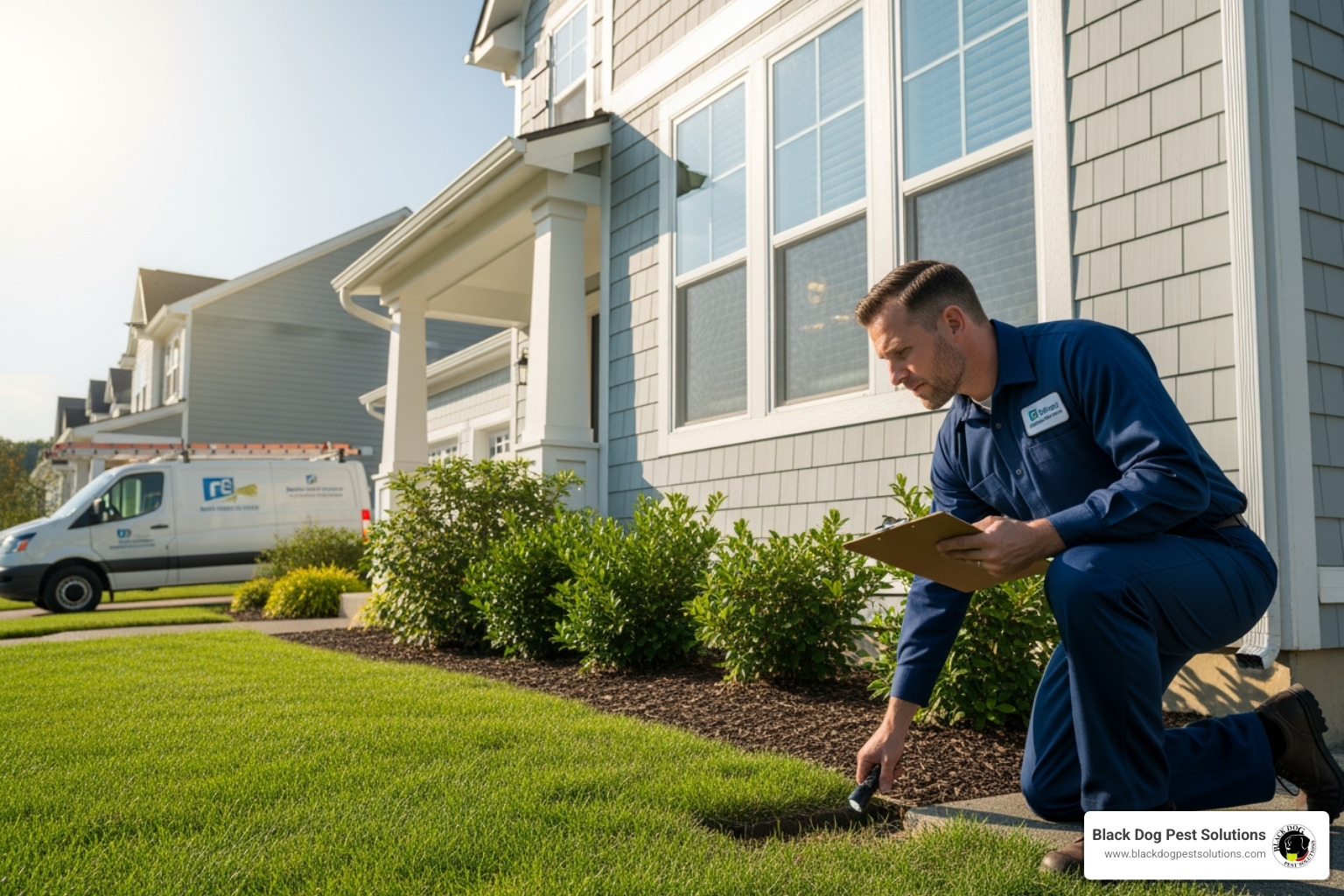
The key factors that affect pest control pricing include:
- The type of pest you’re dealing with
- The severity and accessibility of the infestation
- The size and location of your property
- The specific treatment methods required
- The frequency of treatments (as discussed above)
For homeowners in Cleveland and the surrounding Northern Ohio communities, these factors are particularly relevant due to our diverse climate and urban/suburban environments. We often see a wide array of pest pressures throughout the year. To learn more about common issues specific to our area, take a look at our insights on Pest Problems in Cleveland Homes.
Type of Pest
Not all pests are created equal, and neither are their treatment costs. Generally, common household nuisances are less expensive to treat than more resilient or destructive invaders.
- Common Pests (Ants, Spiders, Roaches): These are often covered under general pest control plans. A one-time ant extermination, for example, typically costs $200 to $300 for a standard-sized home. Spider extermination can range from $100 to $200. Cockroach extermination generally falls between $100 and $600+. While these pests are common, roaches can be particularly difficult to get rid of due to their rapid breeding and nocturnal habits.
- Termites: These wood-destroying insects are in a league of their own. They cause an estimated $5 billion in damages to homeowners each year nationwide. Termite control is more expensive because they cause significant structural damage and require specialized, intensive treatments.
- Bed Bugs: These tiny, tenacious blood-feeders are among the most difficult pests to eradicate. They reproduce quickly and hide in hard-to-reach places, requiring labor-intensive and often multiple treatments.
- Rodents (Mice, Rats): Rodents aren’t just a nuisance; they can chew through wires, walls, and insulation, posing health risks and fire hazards. The national average cost for rodent extermination is around $245, but can range from $150 to $500 for a single treatment, depending on the severity.
- Wildlife (Raccoons, Opossums, Squirrels): Removing larger animals often involves trapping and exclusion, which is a specialized service. The national average for wildlife removal is $175 to $275, but can reach $600 to $800 for more complex cases. Our team is equipped to handle a variety of local pests. You can find more information about the specific pests we tackle on our Pests page.
Severity and Accessibility of the Infestation
The extent of your pest problem significantly impacts the cost. A minor issue caught early will almost always be less expensive to treat than a large-scale infestation that has been allowed to flourish.
A few ants on your counter is a straightforward treatment. A massive colony inside your walls is more complex and costly. The same applies to other pests: a single mouse sighting is different from an entire family of rodents nesting in your attic or crawlspace.
Hidden nests and hard-to-reach areas also increase the cost. Pests like termites and roaches often live in unseen, inaccessible places, making detection and treatment more challenging. If we need to access tight crawlspaces, attics, or even open up walls to get to the source of the problem, the labor and time involved will naturally be higher. Extreme infestations require more extensive, costly treatments, often with multiple visits or aggressive methods.
Property Size and Location
The size of your home or business plays a direct role in the cost. Larger properties simply require more time, labor, and materials to inspect thoroughly and treat effectively. Some pest control companies might even charge an extra $25 per 1,000 square feet for homes larger than 1,500 square feet.
Your geographic location within Northern Ohio also matters. While we serve a wide area including Avon, Lorain, Elyria, and Cleveland, local pest pressures can vary. Urban areas, for instance, sometimes face more severe infestations due to higher population density and food waste. Additionally, Northern Ohio’s climate creates distinct seasonal pest challenges. Hot, humid, or rainy weather may require more frequent visits. While we don’t charge travel fees in our service areas, local operational costs can slightly influence pricing across different towns.
Cost Breakdown for Common Pests
Let’s get down to the nitty-gritty and explore the specific costs for some of the most common and troublesome pests we encounter. These specialized treatments often involve more intensive labor, specific products, and custom strategies, which naturally affect the overall pest control cost. For instance, our team can help you with specific ant problems, and you can learn more about how we approach these issues on our Ant Removal 101: Methods Trusted by Professional Services page.
Termite Control Costs
Termites are silent destroyers, capable of causing billions of dollars in structural damage to homes each year. Because of their destructive potential, termite control is a specialized and often significant investment.
- Inspection Cost: A thorough termite inspection is the first step. While some companies offer free inspections, others may charge $75 to $150. This inspection helps identify the species, locate colonies, and assess the extent of any damage. For further reading on why these inspections are vital, check out What Is a Termite Inspection and Why Do You Need One?.
- Liquid Barrier Treatments: One common method involves creating a liquid barrier around your home’s foundation. This treatment can cost anywhere from $225 to $2,500 per treatment, depending on the size of your home and the specific product used.
- Baiting Systems: Systems like Sentricon, which are scientifically proven and environmentally conscious, involve placing bait stations around your property. Foraging termites carry the bait back to the colony, effectively eliminating it. While the initial setup cost can vary, these systems offer long-term protection and peace of mind.
- Fumigation (Tenting): For severe drywood termite infestations, especially in larger structures, whole-home fumigation (tenting) might be necessary. This is the most expensive option, ranging from $2,000 to $8,000, due to the specialized equipment, chemicals, and labor involved.
Bed Bug Extermination Costs
Bed bugs are notoriously difficult to eliminate, leading to higher treatment costs compared to many other pests. They are rapid breeders, nocturnal, and can survive many traditional pesticides, demanding a multi-faceted approach.
- Per-Room Treatment: If an infestation is contained to a single room, treatment might cost $300 to $500 for that specific area.
- Whole-House Treatment: For widespread infestations, treating the entire house can range from $2,500 to $5,000. This higher cost reflects the labor-intensive nature of finding and treating every hiding spot.
- Treatment Methods: Common methods include heat treatments, which use high temperatures to kill bed bugs at all life stages, and chemical treatments. Heat treatments tend to be pricier due to the specialized equipment required. Often, a combination of methods is used, and multiple follow-up visits are necessary to ensure complete eradication.
Your Pest Control Cost for Rodents, Ants, and Roaches
These common household invaders are frequently covered under general pest control plans, but specific, targeted treatments can vary.
- Rodent Removal: The national average cost for rodent extermination is around $245. However, it can range from $150 to $500 for a one-time service. This usually includes trapping, removal, and exclusion strategies to prevent future entry. Rodents are particularly challenging because they can chew through almost anything, and their presence can indicate structural vulnerabilities in your home.
- Ant Colony Elimination: While a small ant trail might be a DIY project, a persistent ant problem often means a larger colony is at play. Professional ant extermination typically costs $200 to $300 for a one-time treatment. For severe infestations, especially if the colony is large and established, costs could reach $800 to $1,200. We focus on identifying the colony’s source and using targeted baits and treatments to eliminate it entirely.
- Cockroach Infestation Treatment: Cockroaches are resilient and can quickly infest an area. A one-time cockroach extermination can cost between $100 and $600+. Like bed bugs, roaches are difficult to get rid of, often requiring multiple treatments and a combination of baits, sprays, and exclusion methods to break their life cycle.
For these pests, especially if they are a recurring nuisance, opting for a regular pest control plan often proves to be the most cost-effective solution in the long run, keeping their populations managed and preventing costly flare-ups.
Professional Service vs. DIY: A Cost and Effectiveness Comparison
When facing a pest problem, many homeowners in Northern Ohio consider tackling it themselves to save money. We understand the appeal of initial savings, but it’s crucial to weigh the pest control cost of DIY against the long-term expense and effectiveness of professional services.
DIY pest control might seem cheaper upfront, but if the problem isn’t fully resolved, it can end up costing you more time, money, and frustration in the long run. Professional pest control offers expertise, proper identification of pests and their sources, effective eradication and prevention strategies, and access to potent, safe products. For anything more than a small, isolated issue, a professional is often the more efficient and ultimately cost-effective choice.
Comparing DIY vs. Professional Pest Control
| Feature | DIY Pest Control | Professional Pest Control |
|---|---|---|
| Initial Cost | Low (cost of products, time) | Moderate to High (service fee) |
| Long-Term Effectiveness | Often temporary; may not address root cause | High (targets root cause, prevents recurrence) |
| Time Commitment | High (research, application, repeat treatments) | Low (scheduled visits, expert handles) |
| Safety & Expertise | Risk of improper application, limited knowledge | High (licensed technicians, EPA-approved products, safety protocols) |
| Guarantee | None | Often includes guarantees and free follow-ups |
When to DIY and When to Call a Professional
Knowing when to roll up your sleeves and when to pick up the phone can save you a lot of hassle and expense.
When to consider DIY:
- Small, visible issues: If you spot a single spider, a few ants, or a couple of flies, store-bought traps or repellents might do the trick.
- Minor ant trails: For very small, contained ant problems, over-the-counter baits can sometimes be effective.
- Gnats or flies: For these specific nuisances, DIY methods combined with source reduction (like cleaning drains) can often clear up the issue.
When to call a professional (like us at Black Dog Pest Solutions):
- Severe infestations: If you’re seeing pests frequently, in large numbers, or across multiple areas of your home.
- Wood-destroying insects: Termites and carpenter ants can cause significant structural damage. These require expert identification and specialized treatment.
- Health-risk pests: Pests like rodents, cockroaches, and bed bugs can carry diseases or trigger allergies. Professional treatment ensures thorough eradication and minimizes health risks.
- Recurring problems: If you’ve tried DIY methods and the pests keep coming back, it’s a clear sign that a professional needs to identify and address the root cause.
- Hidden pests: If you suspect pests in hard-to-reach areas like attics, crawlspaces, or within walls.
- Safety concerns: When dealing with stinging insects like wasps, or if you’re unsure about the safe application of pesticides around children and pets. Only licensed professionals should use professional-grade pesticides.
We always encourage homeowners in Northern Ohio to ask key questions when considering an exterminator. Our guide Key Questions to Ask an Exterminator in Northern Ohio can help you make an informed decision.
How to Get the Best Value and Reduce Pest Control Costs
Understanding the factors that influence pest control costs is the first step. The next is learning how to get the best value for your money and even reduce your long-term expenses. It’s about being a smart consumer and taking proactive measures to protect your home.
Getting an Accurate Quote and Understanding What’s Included
To avoid surprises, getting an accurate quote is paramount. Here’s how we recommend approaching it:
- Request a Free Estimate: Many companies, including Black Dog Pest Solutions, offer free pest control estimates. This allows us to assess your situation without an upfront cost.
- Expect a Detailed Inspection: A good quote starts with a thorough inspection of your property. We’ll assess the current damage, look for entry points around your home, and identify the type and severity of the infestation. This allows us to develop a customized treatment plan.
- Insist on an Itemized Quote: Don’t settle for a vague price. Ask for a fully itemized estimate in writing. This should clearly detail the services included, the products to be used, the number of treatments, and any potential additional costs.
- Understand Service Guarantees: Ask about service guarantees and warranty conditions. Many professional services offer a “pest-free guarantee” or free touch-up services if pests return within a certain timeframe after treatment. This is a significant part of the value.
- Clarify Follow-Up Visits: If you choose a recurring plan, understand how many follow-up visits are included and what each visit entails.
- Be Aware of Additional Costs: Sometimes, pest control can uncover issues that require additional services. For example, if rodents have chewed through wiring or insulation, or if termites have damaged wood, you might incur costs for repairs. These could include drywall/ceiling repair ($100-$400 per hole), insulation replacement ($1.00-$4.50 per square foot), or even electrical wiring replacement ($5-$17 per square foot). While these aren’t pest control services themselves, they are direct consequences of an infestation and are important to factor into your overall budget.
Preventative Strategies to Lower Long-Term Costs
The best way to reduce your pest control costs in the long run is through proactive prevention. An ounce of prevention is truly worth a pound of cure when it comes to pests!
- Seal Entry Points: Pests often enter through small cracks and crevices. Regularly inspect your home’s foundation, windows, doors, and utility entry points. Seal any gaps or holes you find. This is one of the most effective ways to keep pests out.
- Eliminate Food Sources: Pests are always on the hunt for a meal. Maintain cleanliness by wiping down counters, storing food in airtight containers, and disposing of garbage promptly. Even pet food should be stored securely.
- Reduce Moisture: Many pests are attracted to moisture. Fix leaky spigots, address any standing water around your foundation, and ensure your home is properly ventilated to prevent moisture buildup in basements or crawlspaces.
- Yard Maintenance: Your landscaping can be a highway for pests into your home. Keep wood or lumber piles away from the exterior of the house, and if possible, raise them off the ground. Remove brush, undergrowth, and leaf litter around your home, as these provide excellent hiding and nesting spots for pests. Trim shrubs and trees away from your house to prevent pests from using branches as bridges.
- Regular Inspections: Even without a visible problem, regular inspections can catch potential issues early. This is where recurring pest control plans shine, as they include routine checks that can identify and address budding infestations before they become major, costly problems.
By implementing these preventative strategies, you not only make your home less appealing to pests but also significantly reduce the likelihood of needing expensive, intensive treatments down the line. For more tips on keeping your home pest-free, especially as the seasons change in Northern Ohio, check out The Ultimate Guide to Spring Pest Management in Northeastern Ohio.
Conclusion
Navigating pest control costs can feel overwhelming, but with the right information, you can make informed decisions that protect your home and your wallet. We’ve seen that costs vary widely based on the type of pest, the severity of the infestation, the size of your property, and whether you opt for a one-time fix or ongoing prevention.
While initial prices might seem like an expense, investing in professional pest control often provides long-term value. It prevents costly damage, protects your family’s health, and offers invaluable peace of mind. For residents in Northern Ohio, particularly in areas like Avon, Lorain, Elyria, Avon Lake, and Greater Cleveland, our unique climate and environment mean that proactive, expert pest management is often the most effective strategy.
At Black Dog Pest Solutions, we pride ourselves on providing effective, reliable residential and commercial pest control. Our fast service, professionalism, and commitment to high customer satisfaction (reflected in our 4.9/5.0-star Google rating) mean you’re getting the best value for your investment.
Don’t let pests take over your home or business. Understand your options, ask the right questions, and choose a solution that fits your needs and budget. Contact us today for a comprehensive quote on our pest control services! We’re here to help you live pest-free.