
Pill Bugs in the Garden: Protecting Your Plants from Roly-Poly Damage
Why Pill Bugs Become a Problem in Your Garden
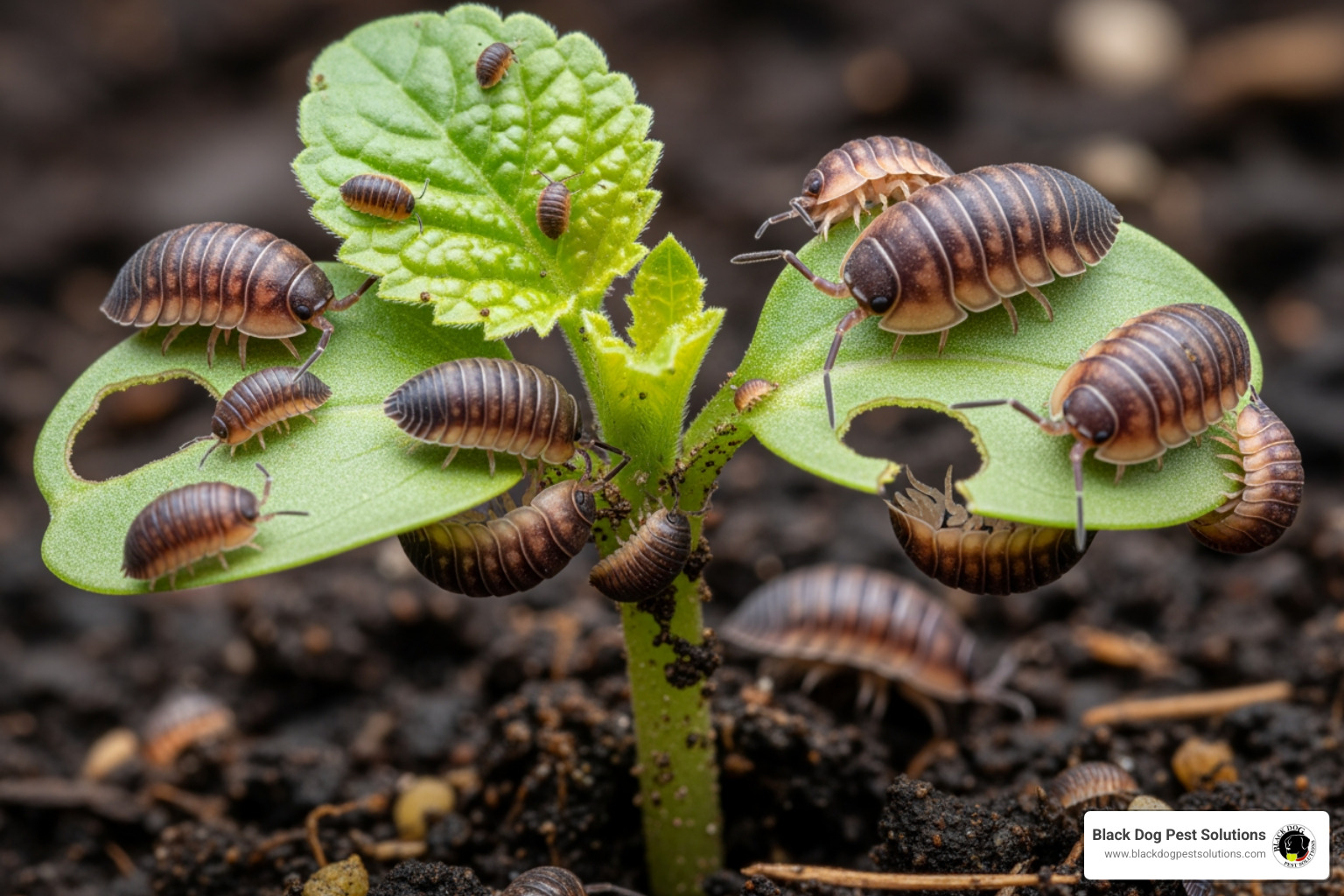
How to get rid of pill bugs in your garden starts with understanding when these common crustaceans shift from helpful decomposers to plant pests. Here’s what works:
Quick Solutions for Pill Bug Control:
- Reduce moisture – Water in the morning, improve drainage, and manage mulch depth
- Set traps – Use beer traps, potato halves, or citrus rinds checked each morning
- Apply barriers – Protect seedlings with cardboard collars or diatomaceous earth
- Remove harborage – Clear leaf litter, debris, and excess mulch near vulnerable plants
- Strengthen plants – Healthy soil and strong roots help plants outgrow damage
Pill bugs—those gray, armored creatures that roll into balls when disturbed—are usually beneficial garden helpers. They’re terrestrial crustaceans that break down dead plant material and enrich your soil. But when their populations explode or their preferred food (decaying matter) runs short, they turn to your seedlings, strawberries, and tender young plants instead.
The good news? Most pill bug problems can be solved without harsh chemicals. By adjusting moisture levels, removing hiding spots, and using simple traps, you can protect your plants while keeping these decomposers doing their beneficial work elsewhere in your yard.
I’m Mat Ledyard, owner of Black Dog Pest Solutions in Avon, Ohio. With nearly two decades of pest control experience across Northeast Ohio, I’ve learned that knowing how to get rid of pill bugs in garden spaces starts with understanding their biology and using targeted, practical methods that work.
Understanding Pill Bugs and Why They’re in Your Garden
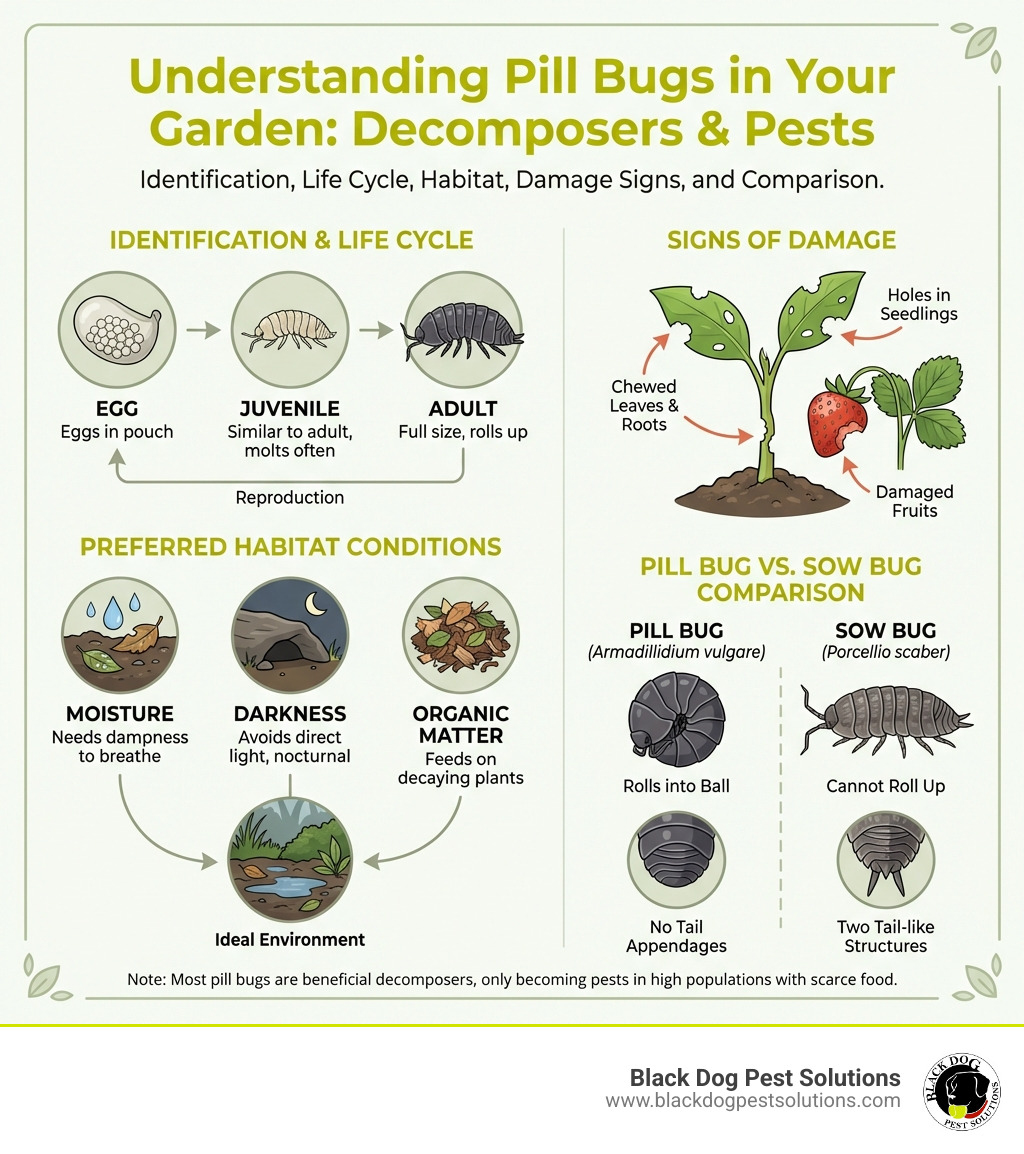
Before solving the problem, let’s get to know these tiny creatures. Pill bugs (Armadillidium vulgare) aren’t insects; they’re terrestrial crustaceans, more closely related to lobsters and shrimp. This classification explains much about their behavior and survival needs.
Pill bugs breathe through gill-like structures, so they require constant moisture to survive. This is why they hide in damp, dark places like under rocks, logs, or mulch during the day. They emerge at night when it’s cooler and more humid—a crucial fact to remember for trapping.
And, of course, there’s their famous defense mechanism: conglobation. When disturbed, a pill bug will roll into a tight ball, protecting its softer underside. This earned them the nickname “roly-polies.”
Pill Bugs vs. Sow Bugs: What’s the Difference?
Pill bugs are often confused with their close relatives, sow bugs. While they look similar, there’s a key difference: pill bugs can roll into a perfect sphere, while sow bugs cannot. According to the University of Missouri Extension, sowbugs also have two small, tail-like appendages that pill bugs lack. Both are crustaceans that enjoy damp environments and can become garden pests. You can learn more about pests that might be lurking in your garden on our Pests page.
Why They Become Pests
In an ideal garden ecosystem, pill bugs are primarily beneficial decomposers, munching on decaying organic matter like dead leaves and fallen fruit. This process returns valuable nutrients to the soil.
The problem arises when this balance is disrupted. A scarcity of decaying matter or an excessively large population will cause pill bugs to eat live plants. Tender seedlings and ripening fruits like strawberries are particularly vulnerable. This shift from decomposer to pest is a sign that the garden environment is out of balance.
What Attracts Pill Bugs to a Garden?
Pill bugs are drawn to moisture and shelter. If your garden provides these in abundance, you may host a large and destructive population.
Here are the primary attractions:
- Excess Moisture: Essential for their gill-like breathing. Overwatering, poor drainage, and leaky faucets create an irresistible, damp environment.
- Damp Environments: Any consistently moist area attracts them, including under rocks, logs, stepping stones, and potted plants.
- Mulch: While beneficial, thick layers of organic mulch create ideal damp, dark hiding spots and a food source. As one of our research sources pointed out, “We’ve always had a lot more trouble with insects, especially with young plants, when there was a lot of woody mulch.”
- Leaf Litter and Plant Debris: Fallen leaves, grass clippings, and other organic debris are both shelter and sustenance for pill bugs.
- Compost Piles: A compost pile is a pill bug paradise, offering food, warmth, and moisture. A large population here can easily spill over into your garden.
- Fallen Fruit and Vegetables: Decomposing fruit or vegetables on the ground are an immediate magnet for pill bugs.
- Hiding Spots and Dark Places: As nocturnal creatures, pill bugs need dark places to retreat during the day, such as foundation cracks, dense ground cover, or the underside of large leaves.
How to Get Rid of Pill Bugs in Your Garden: A Step-by-Step Guide
Our approach to managing pill bugs starts with the least invasive methods to restore garden balance without harming beneficial organisms.
Step 1: Modify Your Garden Environment (Cultural Controls)
The most effective first step is making your garden less hospitable by adjusting the environmental factors that attract them.
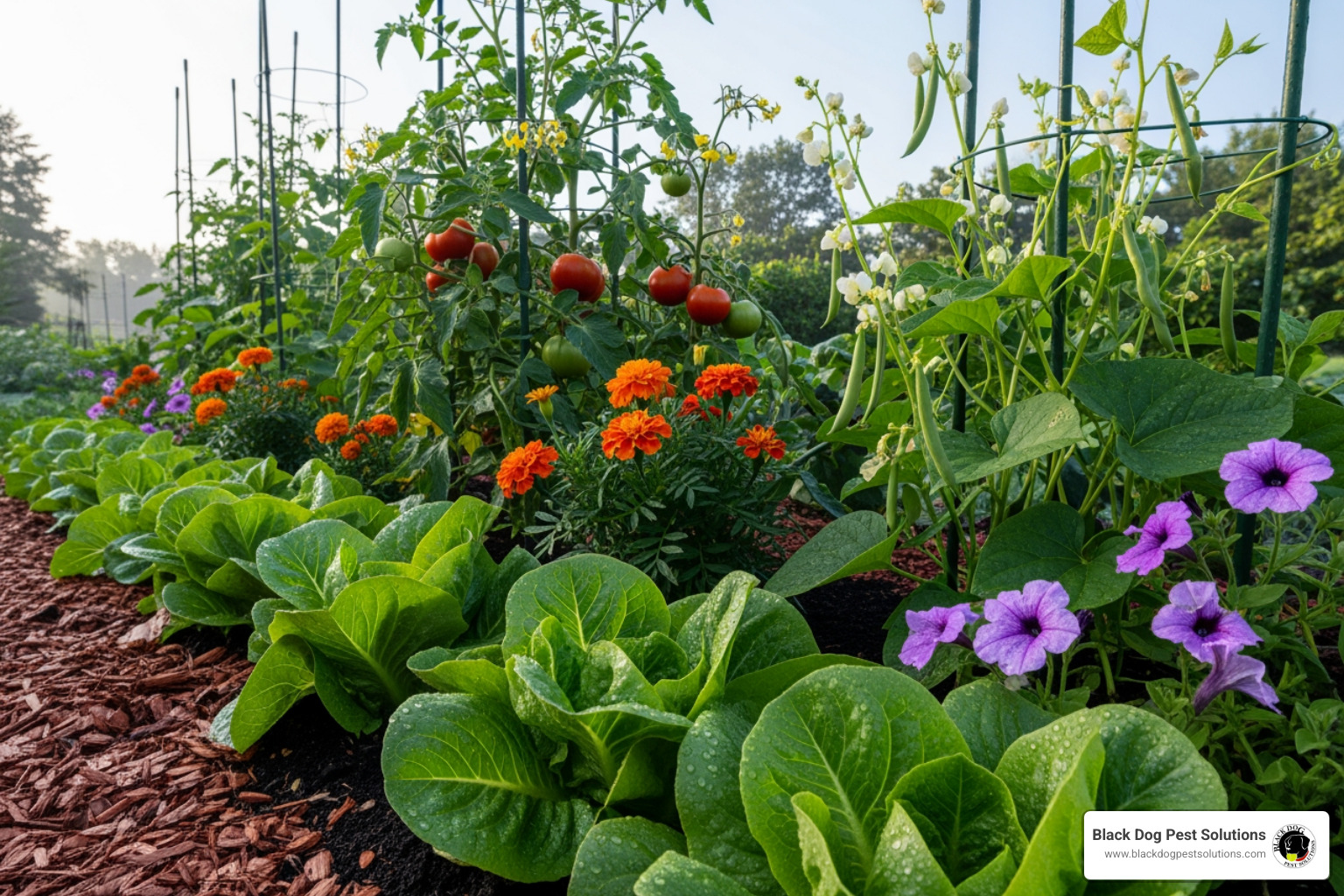
- Reduce Moisture: Since pill bugs require constant moisture, reducing dampness is key.
- Water in the morning: This allows the soil surface to dry before nightfall, when pill bugs are most active, a common practice in humid Northern Ohio summers.
- Improve drainage: For heavy clay or waterlogged soil, amend it with compost or use raised beds.
- Avoid overwatering: Check soil moisture before watering to prevent excess dampness.
- Fix leaks: Repair leaky outdoor faucets or irrigation lines creating wet spots.
- Improve Air Circulation: Good airflow helps dry the garden surface. Prune dense foliage to allow more air and sunlight to reach the soil.
- Remove Debris: Pill bugs hide and feed under decaying organic matter. Regularly clear away fallen leaves, grass clippings, weeds, spent plants, and any old wood or stones on the soil. As one gardener noted, “removing mulch and dead plant matter to force pill bugs into seeking other shelter” can be very effective.
- Manage Mulch: Mulch retains moisture and provides shelter, making it a double-edged sword.
- Pull mulch away from plant stems: Create a dry zone of a few inches around the base of vulnerable plants and seedlings.
- Maintain appropriate depth: A 2-4 inch mulch layer is sufficient. Deeper layers can create a damp harborage for pests.
- Consider cedar mulch: Cedar contains natural compounds that can deter pill bugs.
- Soil Health and Strong Root Systems: Healthy plants with robust roots better withstand minor pest damage.
- Build healthy soil: Incorporate compost to improve soil structure and drainage.
- Promote strong roots: Ensure plants have adequate water and nutrients. As one source highlighted, “Strengthen the cell walls of plant roots to make them less vulnerable.”
Step 2: Set Up Traps to Reduce Populations
After making your garden less inviting, actively reduce pill bug populations with simple traps. Since they are nocturnal, set traps in the evening and check them in the morning.
- Beer Traps: A classic method that works because pill bugs are attracted to yeast. Bury a shallow container (tuna can, yogurt cup) flush with the soil near affected plants and fill it with cheap beer. The pill bugs crawl in and drown. Check and empty daily.
- Potato or Fruit Traps: These act as bait and shelter. Place a hollowed-out potato half, citrus rind, or melon slice cut-side down on the soil. In the morning, lift the trap and brush the collected pill bugs into a bucket of soapy water.
- Duct Tape Traps: Wrap a strip of duct tape (sticky side out) around the base of a paper towel roll or directly onto a seedling’s stem. Pill bugs get stuck trying to climb the stem.
- Newspaper or Cardboard Traps: Lay damp newspaper or cardboard on the soil. Pill bugs will gather underneath for shelter. In the morning, lift and dispose of the collected pests.
Step 3: Use Physical Barriers to Protect Plants
Physical barriers are a great defense, especially for protecting vulnerable young seedlings.
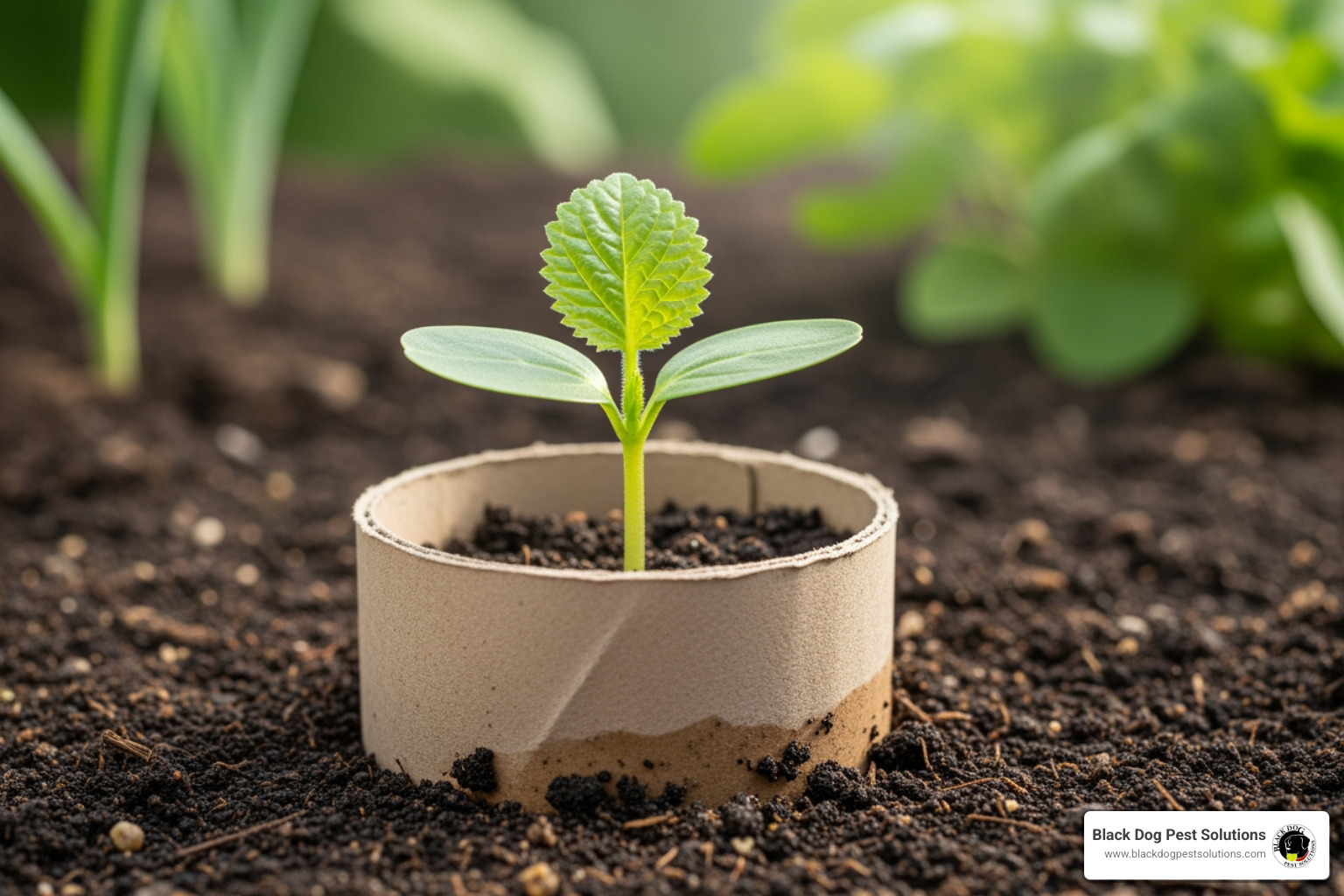
- Cutworm Collars: These also deter pill bugs from munching on tender stems. You can make collars from cardboard, plastic, or even old toilet paper rolls. Bury the collar an inch or two into the soil around the seedling, extending a few inches above ground. For more information on protecting plants, you can consult resources like The Old Farmer’s Almanac’s guide to cutworms.
- Toilet Paper Tubes and Plastic Cups: Cut the bottom off a plastic cup or use a toilet paper tube. Place it around your seedling, pressing it slightly into the soil to create a mini-fence.
- Copper Tape: Apply self-adhesive copper tape around the rims of raised beds or pots. It creates a mild electrical charge that deters pill bugs.
- Coarse Sand or Diatomaceous Earth Barriers: Create a perimeter around vulnerable plants with a thin line of coarse sand or diatomaceous earth. The abrasive texture is unpleasant for pill bugs to crawl over.
Advanced Organic Methods for Pill Bug Control
For persistent infestations where cultural controls and traps aren’t enough, advanced organic methods offer a more direct approach while minimizing environmental harm.
Organic and Natural Tips for How to Get Rid of Pill Bugs in Your Garden
- Diatomaceous Earth (DE): A powerful, natural weapon against soft-bodied pests like pill bugs.
- How it works: DE is made of fossilized diatoms. Its microscopic sharp edges scratch the pill bug’s waxy exoskeleton, causing dehydration and death. As one source noted, “DE, or diatomaceous earth, works to kill pill bugs by dehydrating them.”
- Application safety: Use food-grade DE and wear a mask and eye protection when applying, as the fine powder can be an irritant. Avoid applying on windy days.
- Application method: Sprinkle a thin layer around the base of vulnerable plants or where you see high pill bug activity.
- Effectiveness: DE is only effective when dry. Reapply it after rain or watering. Apply in the late afternoon when pill bugs become active.
- Soapy Water Spray: A simple solution for direct contact.
- How it works: Soapy water disrupts the waxy protective layer on a pill bug’s exoskeleton, leading to dehydration. One of our research sources confirms, “Soapy water can kill pill bugs by disrupting their exoskeleton and causing dehydration.”
- Application method: Mix a few tablespoons of mild dish soap with a gallon of water. Spray directly onto pill bugs in the evening when they are active.
- Iron Phosphate Baits: Often sold for slugs and snails, these are also effective against pill bugs.
- How it works: Baits containing iron phosphate (like Garden Safe Slug & Snail Bait or Sluggo Plus) are ingested by pill bugs, interfering with their digestive system and causing them to stop feeding.
- Safety: Many iron phosphate baits are OMRI certified for organic gardening and are generally considered safe for pets and wildlife when used as directed. Always read the label. One source mentions Sluggo Plus is “safe for birds and various other wildlife” but “not safe for human consumption.”
- Application method: Sprinkle the pellets around affected plants, following package directions. You can find more information about pill bugs and other common household pests on our Pill Bugs page.
Introducing Natural Predators and Biological Controls
Encouraging natural predators is an effective long-term strategy. A diverse, healthy garden ecosystem invites predators to help control pill bug populations.
- Ground Beetles, Centipedes, and Spiders: These beneficial creatures are natural predators of pill bugs. Attract them by providing diverse plant life and minimizing broad-spectrum pesticide use.
- Beneficial Nematodes (Steinernema carpocapsae): These microscopic roundworms are natural parasites of many garden pests, including pill bugs.
- How they work: The Steinernema carpocapsae nematode specifically targets and kills pill bugs. They actively seek out pill bugs, penetrate their bodies, and release bacteria that quickly kill the host. One of our research sources states, “Specifically, the Steinernema carpocapsae nematode is effective at targeting and killing pill bugs.”
- Application process: Mix nematodes with water and apply to moist soil in the evening or on a cloudy day, as they are sensitive to UV light. Follow product instructions for best results.
- Safety: Nematodes are completely safe for humans, pets, plants, and other beneficial insects, offering a targeted biological control.
Frequently Asked Questions about Pill Bugs
Here are answers to common questions Northern Ohio homeowners have about pill bugs.
Are pill bugs and roly-polies the same thing?
Yes. “Roly-poly” is a common nickname for pill bugs, referring to their ability to roll into a tight ball (conglobation) when threatened to protect their soft undersides.
Sow bugs look similar but cannot roll into a perfect ball and have two small tail-like appendages at their rear. So, all roly-polies are pill bugs, but not all similar-looking crustaceans are.
Will diatomaceous earth harm my plants or beneficial insects?
Diatomaceous earth (DE) is a natural pest control method, but it requires careful use.
- Harm to Plants: No, food-grade DE is a natural mineral and will not harm your plants. You can safely apply it around or on them.
- Harm to Beneficial Insects: Yes, caution is needed. DE works by physical abrasion and can harm any insect that contacts it, including beneficials like ladybugs and bees. As one source states, “Does diatomaceous earth kill beneficial insects? A: Yes, it can, so it should be used carefully and sparingly.”
- Application timing: To minimize harm, apply DE in the late afternoon or evening when pollinators are less active.
- Targeted application: Apply DE in targeted bands around vulnerable plants rather than broadcasting it widely.
- Wet vs. Dry Effectiveness: DE is only effective when dry and must be reapplied after rain or watering.
What types of plants are most vulnerable to pill bug damage?
Pill bugs prefer decaying matter, but with high populations or scarce food, they turn to live plants, especially young, tender, or damaged ones.
Here are some plants particularly vulnerable to pill bug damage:
- Seedlings and Young Plants: Their soft stems and leaves are easy targets, causing the most frustration for gardeners. Gardeners in the Greater Cleveland area often report seedlings disappearing overnight.
- Tender Growth: New shoots and emerging leaves on mature plants can also be damaged.
- Strawberries: A favorite target, especially fruit resting on the soil. They chew holes in the berries, making them unappetizing.
- Beans: Young bean plants and emerging sprouts are highly susceptible. One gardener shared, “After planting beans twice, none came up. After replanting the third time, I sprinkled a small amount of this [bait] and the beans were up and growing.”
- Lettuce and Other Leafy Greens: The soft leaves of lettuce, spinach, and other greens are often a target.
- Cucumbers and Zucchini: The young seedlings are vulnerable, and pill bugs can also damage developing fruits that touch the ground. One user on a forum recounted, “pill bugs eating entire cucumber, zucchini, and pea seedlings overnight.”
- Root Vegetables: Less commonly, pill bugs may feed on plant roots in very damp soil with a high population.
When DIY Methods Aren’t Enough
Dealing with persistent pests like pill bugs can be disheartening. While our DIY methods are effective for most problems, some infestations can be stubborn, especially in Northern Ohio’s humid summers which create ideal conditions for them.
- Preventing Future Infestations: The key to long-term success is a consistent Integrated Pest Management (IPM) approach. This means continuously monitoring your garden, maintaining good cultural practices (moisture control, debris removal), and being ready to use traps or organic treatments as needed.
- Monitoring Populations: Regularly check your garden in the evening for pill bug activity. Look under rocks, mulch, and low-lying leaves to catch any resurgence early.
- When to Seek Help: If you’ve tried these methods and still see significant plant damage, or the population feels overwhelming, it’s time to call experts. In Northern Ohio, from Avon to Cleveland and surrounding communities like Lorain, Elyria, and Westlake, we know the specific challenges local gardeners face.
For persistent or large-scale infestations that don’t respond to DIY methods, a professional approach may be necessary. Our team at Black Dog Pest Solutions specializes in understanding local pest behaviors and implementing targeted, effective solutions that are safe for your family and your garden. We can help identify underlying issues contributing to the infestation and apply more robust, yet still environmentally conscious, treatments. Learn more about our comprehensive pill bug solutions. Don’t let pill bugs ruin your hard work. Contact Us for a consultation today, and let us help you reclaim your garden!