Why Commercial Fruit Fly Control is Critical for Your Business
Commercial fruit fly control is essential for any food-handling business because these tiny pests multiply rapidly, contaminate food and surfaces with dangerous bacteria, and can destroy your reputation overnight. Research shows that 60% of foodservice operators report issues with fruit flies or other small flies, making this one of the most common—and most urgent—pest problems facing commercial facilities today.
Quick Overview: Effective Commercial Fruit Fly Control
- Eliminate adult flies immediately using professional-grade traps and targeted treatments
- Destroy breeding sites in drains, garbage areas, and moisture-rich zones
- Implement strict sanitation protocols for daily cleaning and waste management
- Seal entry points with structural repairs and exclusion methods
- Partner with a professional pest control service for comprehensive, long-term elimination
The stakes are high. Each fly carries more than a million bacteria and can transfer pathogens like E. coli and Salmonella to food preparation surfaces. A visible fruit fly infestation can trigger failed health inspections, negative social media reviews, and in severe cases, temporary business closure. Beyond the immediate health risks, fruit flies signal underlying sanitation or structural issues that need professional attention.
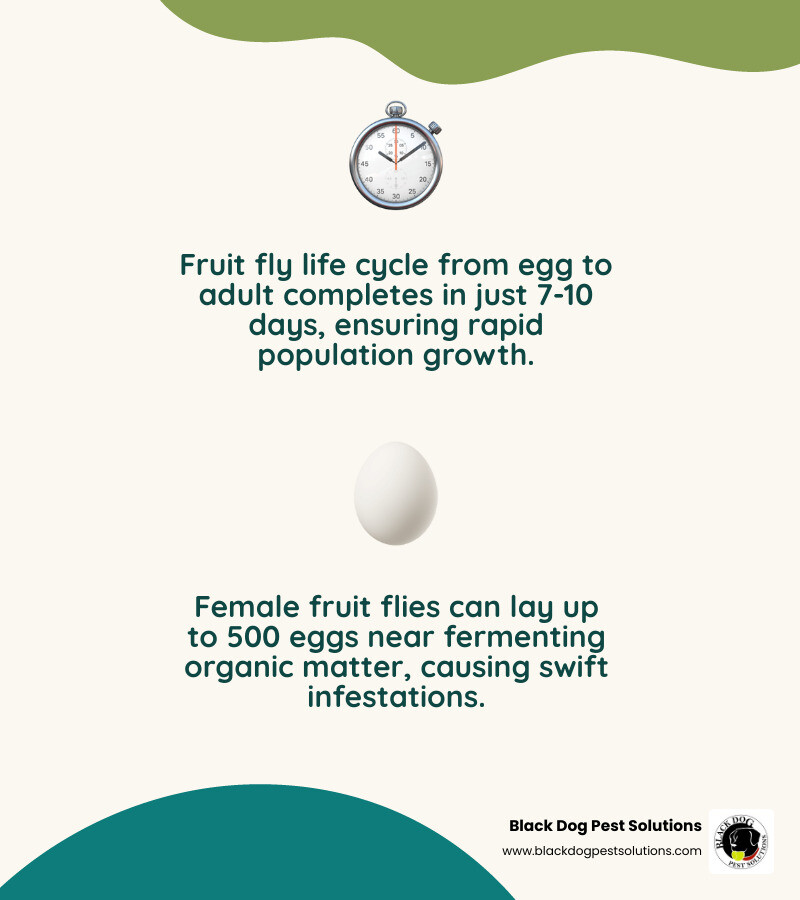
Fruit flies thrive in commercial environments because they find exactly what they need: moisture, organic matter, and warmth. They breed in floor drains, beverage dispensers, trash receptacles, and even the thin film of residue under equipment. A single breeding site can produce hundreds of flies in just days, turning a minor annoyance into a full-blown infestation before you realize the scope of the problem.
I’m Mat Ledyard, owner of Black Dog Pest Solutions in Avon, Ohio, and I’ve been solving pest problems for commercial and residential clients across Northeast Ohio since 2005. Over nearly two decades in the industry, I’ve helped countless restaurants, food processing facilities, and hospitality businesses implement effective commercial fruit fly control programs that address the root cause and deliver lasting results.
Understanding the Enemy: Identifying Fruit Flies and Their Risks
When you spot tiny flies buzzing around your business, it’s easy to dismiss them as a minor nuisance. However, these small insects can pose significant health and economic risks, especially in commercial settings. Effective commercial fruit fly control begins with understanding the specific species you’re dealing with and the dangers they present.
Primary Commercial Fruit Fly Species
While often generically called “fruit flies,” there are several small fly species that commonly infest commercial establishments in Northern Ohio. Each has its own preferences for breeding and feeding, making accurate identification crucial for effective control.
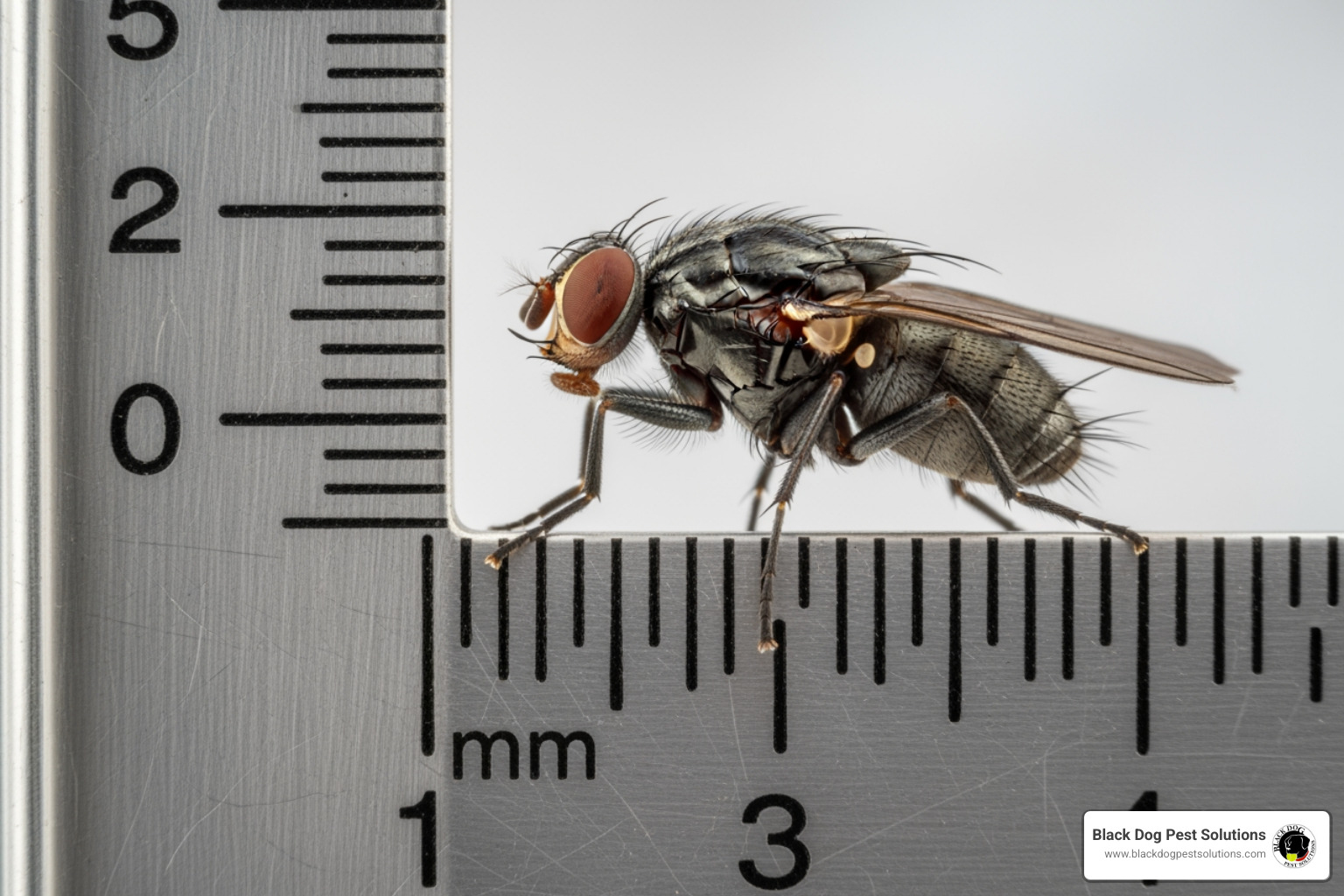
- Drosophila melanogaster (Common Fruit Fly): This is the classic fruit fly you’re likely thinking of, attracted to ripe, fermenting, or rotting fruits and vegetables, as well as sugary liquids like soda, beer, and wine. They are tiny, typically 2.5 to 4 mm long, with distinctive red eyes. They breed rapidly in a thin film of fermenting organic matter.
- Phorid Flies: Often mistaken for fruit flies, phorid flies are also small (1.5 to 5 mm) but have a humpbacked appearance and a jerky, erratic flight pattern. They are attracted to decaying organic matter, but unlike fruit flies, they can breed in a wider range of moist, decaying materials, including sewage, cadavers, and even structural voids where moisture has accumulated. Their presence can indicate more serious sanitation issues.
- Drain Flies (Moth Flies): These fuzzy, moth-like flies (1.5 to 5 mm) are often found near drains, where their larvae feed on the slimy, gelatinous film that builds up. They are most active at night and their presence strongly indicates a problem with organic matter buildup in plumbing.
- Fungus Gnats: While less common in general food service, fungus gnats can be an issue in establishments with many potted plants or moist soil. They are attracted to fungi and decaying plant matter.
While the primary concern for most Northern Ohio businesses will be the common fruit fly and drain fly, it’s also important to be aware of the potential threat of invasive species. Globally, fruit flies in the family Tephritidae are among the most destructive pests of fruits and vegetables, capable of infesting over 400 different agricultural commodities. Though such invasive species are not typically established in our region, the risk of their introduction exists nationwide, leading to significant economic losses for agriculture through commodity destruction, increased control costs, and market access restrictions. Government agencies like the USDA continually monitor for these threats.
For more detailed information on these tiny pests, you can explore our resources about Fruit Flies.
Health and Economic Dangers in Your Business
The presence of fruit flies and other small flies is more than just an unsightly annoyance; it’s a serious threat to your business’s health, safety, and bottom line.
- Contamination of Food and Surfaces: Small flies don’t just land on food; they can transfer dangerous pathogens from unsanitary areas like garbage, drains, and feces directly to food and food preparation surfaces. Research shows they can spread bacteria like E. coli and Salmonella, putting your customers at risk of foodborne illness. Each fly is capable of carrying more than a million bacteria, making them potent vectors for disease.
- Negative Social Media Reviews and Reputation Damage: In today’s interconnected world, a single sighting of fruit flies by a customer can quickly lead to negative reviews on social media platforms or review sites. This can severely damage your business’s reputation, deterring new customers and impacting your brand image. No one wants to dine or shop where flies are present.
- Failed Health Inspections: Health inspectors are vigilant about pest activity. The presence of fruit flies often indicates underlying sanitation issues, which can lead to failed health inspections, fines, and even temporary closure of your establishment. This directly impacts your ability to operate and generate revenue.
- Economic Losses: Beyond fines and closures, infestations lead to product spoilage, increased cleaning costs, and the need for professional pest control services. If invasive fruit flies were to establish themselves, the yearly economic losses could be in the hundreds of millions of dollars nationwide, underscoring the severe financial impact pests can have.
A Comprehensive Program for Commercial Fruit Fly Control
At Black Dog Pest Solutions, we believe that effective commercial fruit fly control isn’t about quick fixes; it’s about a comprehensive strategy known as Integrated Pest Management (IPM). Our approach targets fruit flies at every stage of their life cycle, from adult flies to eggs and larvae, ensuring lasting elimination and prevention.
Step 1: Eliminating Adult Flies for Immediate Relief
While adult flies are just the tip of the iceberg, their removal provides immediate relief and prevents them from breeding further.
- Professional-Grade Fruit Fly Traps: We use specialized traps designed for commercial environments. These include discreet light traps that attract flies with specific UV wavelengths, and highly effective glue boards placed in strategic locations where fruit flies are active. Unlike consumer-grade options, our traps are robust and designed for continuous monitoring and capture in busy commercial settings. The Onguard Commercial Fruit Fly Trap, for instance, uses a natural, chemical-free lure and a patented conical design to capture fruit flies and prevent escape, remaining effective for up to 30 days.
- Targeted Treatments by Licensed Technicians: Our licensed technicians apply safe and effective treatments to areas where adult flies rest, such as walls, ceilings, and under equipment. These treatments are carefully selected to be appropriate for food-handling environments, ensuring the safety of your staff and customers.
- Resting Area Treatments: Fruit flies often rest on surfaces near their breeding and feeding sites. Identifying and treating these resting areas is crucial for reducing the adult population quickly.
Step 2: Attacking the Source by Targeting Eggs and Larvae
The true key to commercial fruit fly control lies in eliminating their breeding sites. If you only kill adult flies, new ones will quickly emerge, leading to a never-ending cycle of infestation.
- Breeding Site Identification: Our experts conduct thorough inspections to pinpoint the exact locations where fruit flies are laying their eggs and larvae are developing. This often involves looking beyond obvious areas to hidden spots like floor drains, cracks in flooring, leaky pipes, beverage machines, and the often-overlooked film of organic matter under kitchen equipment or floor mats.
- Professional Drain Treatments: Drains are prime breeding grounds for fruit flies and drain flies. We use professional-grade bio-enzymatic cleaning solutions that break down the organic sludge in drains, eliminating the food source and breeding habitat for larvae. This is far more effective than simply pouring bleach down a drain, which only kills surface organisms and doesn’t remove the underlying organic film.
- Organic Matter Removal: We work with your team to identify and remove all sources of organic matter buildup. This includes:
- Floor mats: Often collect food debris and moisture underneath.
- Beverage stations: Leaks and spills create ideal breeding spots.
- Garbage disposals: Can accumulate food particles.
- Recycling bins: Residue in bottles and cans.
- Cracks and crevices: Any small opening where food debris and moisture can accumulate.
Step 3: Implementing an Effective Commercial Fruit Fly Control Program
Our comprehensive commercial fruit fly control program integrates several critical components:
- Inspection: Every program starts with a detailed inspection to identify the species of fly, locate all breeding sites, and assess sanitation and structural deficiencies.
- Sanitation: We provide actionable recommendations and support for implementing strict sanitation protocols, which is the cornerstone of long-term prevention.
- Exclusion: We advise on structural improvements to prevent flies from entering your facility in the first place.
- Professional Treatment: We deploy targeted treatments to eliminate existing infestations, focusing on both adult flies and their breeding sources.
- Monitoring: Ongoing monitoring ensures the effectiveness of the program and allows for quick adjustments if new issues arise.
Long-Term Prevention: Sanitation and Structural Improvements
The battle against fruit flies isn’t won with a single treatment; it requires a commitment to long-term prevention. Implementing robust sanitation practices and making key structural improvements are vital steps in creating an environment where fruit flies simply cannot thrive.
Essential Sanitation Practices
Fruit flies are attracted to fermenting organic matter. By eliminating these food sources and breeding sites, you can significantly reduce your risk of infestation.
- Regular Drain Cleaning: This is paramount. Small flies can harbor in drains and beverage machines, multiplying quickly. Following specific drain cleaning steps, especially with professional bio-enzymatic products, reduces the conditions where small flies breed and feed. We recommend a regular schedule, not just when you see flies.
- Proper Waste Management: All trash and recycling bins should be emptied frequently, ideally daily, and thoroughly cleaned. Ensure lids are tight-fitting to prevent odors from attracting flies. Remember to rinse all food containers, cans, and bottles before disposal to remove any residue.
- Cleaning Spills Immediately: Sugary spills, even small ones, can quickly ferment and become a fruit fly magnet. Train staff to clean up spills immediately and thoroughly, especially around beverage dispensers, bars, and food prep areas.
- Storing Produce Correctly: Store ripe fruits and vegetables in refrigerators or sealed containers. Fruit flies are attracted to ripening produce, and a single overripe banana can be enough to start an infestation.
- Floor and Equipment Cleaning: Conduct deep cleaning of floors, especially under and behind equipment, where food debris and moisture can accumulate. Disassemble and clean beverage dispensers, ice machines, and other equipment that comes into contact with sugary liquids.
Key Structural Improvements to Block Entry
Even with impeccable sanitation, flies can still find their way in. Structural improvements act as the first line of defense.
- Sealing Cracks and Crevices: Inspect your facility for any cracks in walls, floors, or around utility lines. Even tiny openings can provide entry points for small flies. Seal them with appropriate materials.
- Repairing Screens on Windows and Doors: Torn or ill-fitting screens are an open invitation for flies. Ensure all screens are intact and properly sealed.
- Installing Air Curtains: For businesses with frequently opening doors, particularly in loading docks or customer entrances, air curtains can create a barrier that deters flying insects from entering.
- Ensuring Proper Drainage: Standing water and poor drainage contribute to moisture buildup, which is attractive to many small flies. Ensure all areas drain effectively, and address any leaks promptly.
Navigating Regulations and Industry-Specific Challenges
While the immediate concern for many businesses in Northern Ohio is controlling common fruit flies, it’s crucial to understand that commercial fruit fly control can also involve navigating broader regulatory considerations, particularly concerning invasive species. Different industries also face unique challenges that require custom strategies.
For more information on how we tailor solutions, please visit our Services page.
Regulatory and Quarantine Considerations for Invasive Species
While our focus in Northern Ohio is primarily on established pests like Drosophila melanogaster, government agencies nationwide, such as the California Department of Food and Agriculture (CDFA) and USDA APHIS, actively monitor and manage invasive fruit fly species. These exotic pests, if established, could devastate agriculture and impact trade.
When an invasive fruit fly is detected, government agencies may implement strict quarantine measures. These measures are triggered by a certain number of adult flies captured or the detection of larvae, indicating a breeding population. Quarantine boundaries are established, and growers within these areas must comply with specific regulations for harvesting, treating, and moving produce.
Examples of eradication techniques for invasive species include:
- Male Attractant Technique (MAT): This involves applying bait stations containing a powerful male attractant (like methyl eugenol) mixed with a small amount of insecticide. These stations attract and kill male fruit flies before they can breed, effectively disrupting the reproductive cycle.
- Sterile Insect Technique (SIT): This method involves releasing sterile male fruit flies into an infested area. When these sterile males mate with wild females, no offspring are produced, leading to a decline in the wild population.
- Organic Foliar Sprays: Specific organic bait sprays, like those containing Spinosad, may be applied to host plants in affected areas.
These large-scale, government-led programs illustrate the serious economic and environmental threat posed by invasive fruit flies and the comprehensive, often mandatory, measures required to prevent their establishment. While these specific programs may not be active in Northern Ohio, understanding the principles behind them highlights the importance of vigilance and cooperation should such a threat ever arise in our region.
You can learn more about these types of regulatory responses through resources like the Invasive Fruit Fly Quarantine Guide for Growers and the CDFA – Plant Health – Oriental Fruit Fly Project , which detail efforts to protect agriculture from exotic fruit fly infestations.
Industry-Specific Commercial Fruit Fly Control Strategies
Different commercial sectors have unique operational challenges that influence their commercial fruit fly control strategies.
- Food Service & Restaurants: These establishments face high traffic, diverse food preparation areas, and constant organic waste. Our strategies focus on frequent drain treatments, precise placement of traps in dining and kitchen areas, and strict sanitation protocols for bars, beverage dispensers, and waste zones. We understand the need for discreet solutions that don’t disrupt the customer experience.
- Food Processing Plants: These facilities often have large, complex machinery with hard-to-reach areas where organic matter can accumulate. Strategies involve meticulous inspection of equipment, conveyor belts, and floor trenches, along with specialized cleaning and treatment protocols to prevent breeding within the processing lines.
- Hospitality & Hotels: While kitchens are a concern, fruit flies can also be attracted to bars, mini-fridges in guest rooms, and even floral arrangements. Our programs consider all guest-facing and back-of-house areas, ensuring a pest-free environment that upholds guest satisfaction.
- Supermarkets & Warehouses: These businesses deal with large volumes of produce and stored goods. Control strategies here emphasize proper rotation of stock, prompt removal of overripe or damaged produce, and comprehensive treatment of receiving areas, storage facilities, and loading docks.
Why Partnering with a Professional is Your Best Strategy
When it comes to commercial fruit fly control, the temptation to handle it yourself can be strong. However, experience shows that DIY methods often fall short, leading to recurring infestations and wasted resources. Partnering with a professional pest control service like Black Dog Pest Solutions is the most effective, safest, and ultimately most cost-efficient approach.
The Limits of DIY vs. The Power of Professional Expertise
- Accurate Pest Identification: As we’ve discussed, not all small flies are fruit flies. Phorid flies or drain flies require different strategies. DIY efforts often fail because they misidentify the pest or the source. Our experts accurately identify the species and pinpoint all breeding sites, even hidden ones.
- Access to Commercial-Grade Products: Store-bought traps and sprays offer limited efficacy in a commercial environment. We have access to professional-grade treatments, including bio-enzymatic drain cleaners and specialized traps, that are far more potent and effective than anything available to the general public.
- Comprehensive IPM Programs: DIY solutions typically only address visible adult flies. Our IPM approach targets the entire life cycle, eliminating eggs, larvae, and adults, and implementing preventative measures for long-term control. This holistic strategy is something most businesses can’t replicate on their own.
- Time and Cost Savings: While professional services have an upfront cost, they save businesses time and money in the long run. Recurring DIY efforts, product purchases, and potential losses from damaged reputation or health fines quickly add up. We solve the problem efficiently, preventing costly repeat infestations.
- Guaranteed Results: Many professional pest control services, including Black Dog Pest Solutions, offer guarantees on their work. This provides peace of mind, knowing that if the problem persists, we will return to resolve it.
DIY vs. Professional Commercial Fruit Fly Control
| Feature | DIY Methods | Professional Service |
|---|---|---|
| Identification | Often inaccurate, confuses species | Expert identification of specific fly types |
| Treatment | Limited to store-bought traps/sprays | Access to commercial-grade, targeted solutions |
| Scope | Addresses visible adults, misses source | Integrated approach targeting all life stages |
| Effectiveness | Temporary relief, recurring infestations | Long-term elimination and prevention |
| Cost | Seemingly low initial cost, repeated expenses | Higher initial investment, better long-term ROI |
| Guarantee | None | Service guarantees and follow-up visits |
The Advantages of a Local Partner
Choosing a local pest control provider like Black Dog Pest Solutions offers distinct advantages for businesses in Northern Ohio, including Avon, Lorain, Elyria, Avon Lake, and surrounding areas.
- Fast Response Times: When you have a fruit fly problem, you need a solution fast. As a local company, we can respond quickly to your call, often providing same-day or next-day service.
- Knowledge of Local Pest Pressures: We understand the specific environmental factors and common pest issues unique to our region of Northern Ohio. This local expertise allows us to provide more targeted and effective solutions.
- Personalized Service: We’re not a faceless national chain. We build relationships with our clients, offering personalized service custom to your specific business needs. Our 4.9/5.0-star Google rating reflects our commitment to customer satisfaction.
For more reasons to choose a local expert, read about the Benefits of Choosing Local Fruit Fly Exterminator Services.
Conclusion
Effective commercial fruit fly control is a non-negotiable aspect of running a successful business, especially in the food service, hospitality, and processing industries. These tiny pests pose significant health risks, can severely damage your reputation, and lead to costly economic losses.
The most successful strategy involves a proactive, Integrated Pest Management (IPM) approach that goes beyond simply eliminating adult flies. It demands a deep understanding of fruit fly biology, meticulous identification and eradication of breeding sites, rigorous sanitation protocols, and strategic structural improvements. While DIY methods may offer temporary relief, they rarely provide the comprehensive, long-term solutions needed for a commercial environment.
For businesses across Northern Ohio, including Greater Cleveland, Avon, Lorain, Elyria, Avon Lake, and surrounding communities, partnering with a professional and local pest control service like Black Dog Pest Solutions is the smartest investment you can make. We bring the expertise, commercial-grade tools, and personalized service necessary to protect your business, your customers, and your reputation from fruit fly infestations.
Don’t let fruit flies compromise your business. For a comprehensive and effective solution to your fruit fly problems, explore our Commercial Services or Contact Us today for a consultation.