
The investment required for professional mouse control can vary significantly, depending on a range of factors unique to each situation. While many homeowners might find services within a general range, more complex or severe infestations can necessitate a more substantial financial commitment. According to Integrated Pest Management (IPM) principles, a multi-faceted approach is often the most effective way to manage rodent populations.
The size of your home is a primary determinant. Smaller homes, for instance, might require a more modest investment for treatment, while medium-sized residences often fall into a different range. Larger properties, with their increased square footage and potential entry points, generally involve a more extensive service and, consequently, a greater cost.
Several key factors influence the overall price. The severity of the infestation plays a crucial role; a minor issue with one or two mice will differ greatly from an established colony. The specific location of the infestation within your home also matters. Mice in easily accessible areas will typically be less costly to address than those nesting within walls, attics, or other hard-to-reach spaces. Furthermore, the number of entry points that need to be identified and sealed directly impacts the labor and materials involved.
The type of property also affects the overall expense. Residential homes usually have standard treatment requirements. However, apartments and condos, particularly in multi-family units, can present unique challenges due to shared walls and common areas, often requiring a coordinated approach that can increase the overall investment. Commercial spaces, such as businesses in Northern Ohio, typically involve a higher cost due to their larger scale, the need for custom solutions, and strict adherence to health and safety regulations.
In terms of regional variations, urban areas often experience higher operating costs and demand, which can lead to a more significant investment compared to rural rates. Additionally, local weather and building conditions in areas like Northern Ohio can make homes more attractive to mice, potentially influencing the frequency and type of services needed.
How does infestation severity impact pricing?
The extent of a mouse problem is a major driver of pest control costs. A minor infestation, perhaps just one or two mice recently discovered, typically requires a less intensive approach. As the infestation grows to a moderate level, involving several mice and potential nesting sites, the treatment becomes more comprehensive, often requiring more traps and a more thorough inspection. For severe infestations, where an established colony has taken root, the services needed are far more extensive. This can involve multiple visits, a wider array of treatment methods, and more complex exclusion work to address numerous entry points and contaminated areas. Since mice reproduce quickly, addressing the problem early can prevent it from escalating, helping to manage the overall cost.
How does property type affect the overall expense?
The nature of the property significantly influences the cost of mouse control. For typical residential homes, services often focus on individual dwelling units, addressing specific entry points and nesting areas. However, for apartments and condos, particularly in multi-family buildings prevalent across Northern Ohio, the challenge of shared walls and common infrastructure means that effective control often requires a coordinated effort across multiple units or the entire building. This can lead to a more substantial investment compared to treating a single-family home.
What role does location play in pricing?
Geographic location is another important factor in determining pest control costs. For instance, services in a densely populated urban center within Northern Ohio might involve a different cost structure than those in more rural areas. Urban environments often have higher operating expenses for pest control companies, coupled with increased demand, which can influence pricing.
The specific local dynamics, such as the prevalence of certain mouse species or the architectural styles common in an area, can also play a role. When considering pest control companies in Avon, for example, you might find that local expertise and understanding of the area’s unique challenges are factored into their service offerings. This localized knowledge ensures that the solutions provided are tailored to the specific environmental pressures and building types found in our community.
What do professional mouse control services include, and how do different methods affect the cost?
When you engage professional mouse control services, you’re investing in a comprehensive approach designed to eliminate current infestations and help prevent future ones. A typical service includes several key stages: a thorough inspection, strategic trapping, exclusion work, and follow-up visits. When evaluating pest control companies in Avon, homeowners often look for a process that aligns with Integrated Pest Management (IPM) principles.
The choice between a one-time trapping service and a full exclusion program also impacts the overall investment. A one-time trapping service focuses on removing the existing mouse population, which can be a more modest initial investment. However, for a more comprehensive approach that addresses the root cause of the problem, a full exclusion program, which involves sealing entry points, represents a more significant, but often more effective, long-term investment. This type of program helps prevent new mice from entering your home.
The investment for rodent exclusion and sealing entry points can vary depending on the complexity of your home and the extent of the work required. This vital service ensures that once mice are removed, new ones cannot easily find their way back in.
Different treatment methods also come with varying costs and levels of effectiveness. Snap traps are one option for addressing localized activity, while bait stations or professional fumigation services represent a different level of investment. The number of visits required to fully eliminate mice will depend heavily on the severity of the infestation, with more challenging situations often needing multiple follow-up appointments. An initial inspection typically involves an upfront investment, and ongoing monthly monitoring services are also available for those seeking continuous protection.
What is involved in a comprehensive mouse control service?
A comprehensive mouse control service goes beyond simply setting traps; it involves a strategic, multi-step process to ensure effective and lasting results.
- Initial Inspection: Our process begins with a thorough inspection of your property. This crucial step helps us identify potential entry points, locate nesting sites, and assess the overall severity of the mouse infestation. We look for signs like droppings, gnaw marks, and runways to understand the mice’s movements and habits.
- Treatment Plan Development: Based on the inspection findings, we develop a tailored treatment plan. This plan outlines the most effective methods and strategies to address your specific mouse problem, ensuring a targeted approach.
- Trapping: We strategically place various types of traps, which may include snap traps, live-catch traps, or multi-catch traps, in areas of high mouse activity. This helps to quickly reduce the existing population while minimizing stress and suffering for the animals.
- Exclusion: This is a critical component for long-term prevention. We focus on sealing entry points about 1/4 inch or smaller, which mice can squeeze through. We use durable materials such as steel wool, caulk, or metal mesh, as metal materials are more resistant to chewing, to block access points around your foundation, utility lines, and other vulnerable areas.
- Follow-up Visits: To ensure the effectiveness of the treatment, we conduct follow-up visits. During these visits, we monitor trap activity, re-trap as needed, and verify that the exclusion work is holding up, making any necessary adjustments.
- Sanitation Recommendations: We also provide practical sanitation recommendations, guiding you on how to clean up droppings and nesting materials safely and effectively, which helps remove pheromones that might attract new mice.
How do different treatment methods compare in cost and effectiveness?
The array of treatment methods available for mouse control offers different levels of investment and varying degrees of effectiveness.
- Snap Traps: These are one option and can be effective for small, localized infestations, providing a quick solution.
- Live-Catch Traps: For those prioritizing humane mouse control, live-catch traps are an option. They require frequent checking to minimize stress and suffering for the trapped mice, and proper release is crucial (and variable by local regulations and situation).
- Bait Stations: These can be used for larger infestations, as they allow mice to consume bait and return to their nests. However, a potential risk is that mice may die in inaccessible areas, leading to unpleasant odors.
- Poison: While some might consider poison, it is generally not recommended for interior use due to the risks of mice dying within walls or other inaccessible spaces, causing odors, and the potential for secondary poisoning of pets or other wildlife.
- Professional Fumigation: This method is a more substantial investment and is typically reserved for severe, widespread infestations where other methods may not suffice.
Why is exclusion considered a long-term solution?
Exclusion is paramount in achieving long-term mouse control because it addresses the fundamental problem: how mice are entering your home. Without proper exclusion, simply trapping and removing existing mice is often a temporary fix. It’s akin to bailing water from a leaky boat without patching the holes – the problem will inevitably recur.
Mice are incredibly resourceful and can squeeze through tiny openings. If these entry points are not sealed, new mice will eventually find their way in, leading to a cycle of re-infestation. This is why Black Dog Pest Solutions prioritizes an Integrated Pest Management (IPM) approach. IPM focuses on thorough inspection to identify vulnerabilities, followed by comprehensive exclusion work to seal them off. By preventing new mice from entering, exclusion helps to break the cycle of infestation and is a key component for long-term prevention.
For more information on our integrated approach to pest management, you can visit our page on Get Smart About Mice What Is Integrated Pest Management.
What are the potential hidden costs and long-term consequences of a mouse infestation?
While the initial cost of professional mouse control might seem like an expense, it’s often a crucial investment that prevents far more substantial financial burdens down the line. Ignoring a mouse infestation can lead to a cascade of hidden costs and long-term consequences that far exceed the initial extermination investment.
Beyond the direct pest control services, you might face additional costs for damage repair, attic cleanup, or sanitization. For instance, if mice have nested in your attic, the removal of contaminated insulation and its replacement can be a substantial undertaking. Professional rodent cleanup services, which involve specialized equipment and protective measures, also represent a considerable investment to ensure your home is safe and hygienic.
The health risks associated with mice are significant. These rodents are known carriers of various diseases, such as Hantavirus and Salmonella, which they can spread through their droppings and urine. Mouse allergens are also commonly found in many homes, potentially triggering allergies and asthma, especially in children.
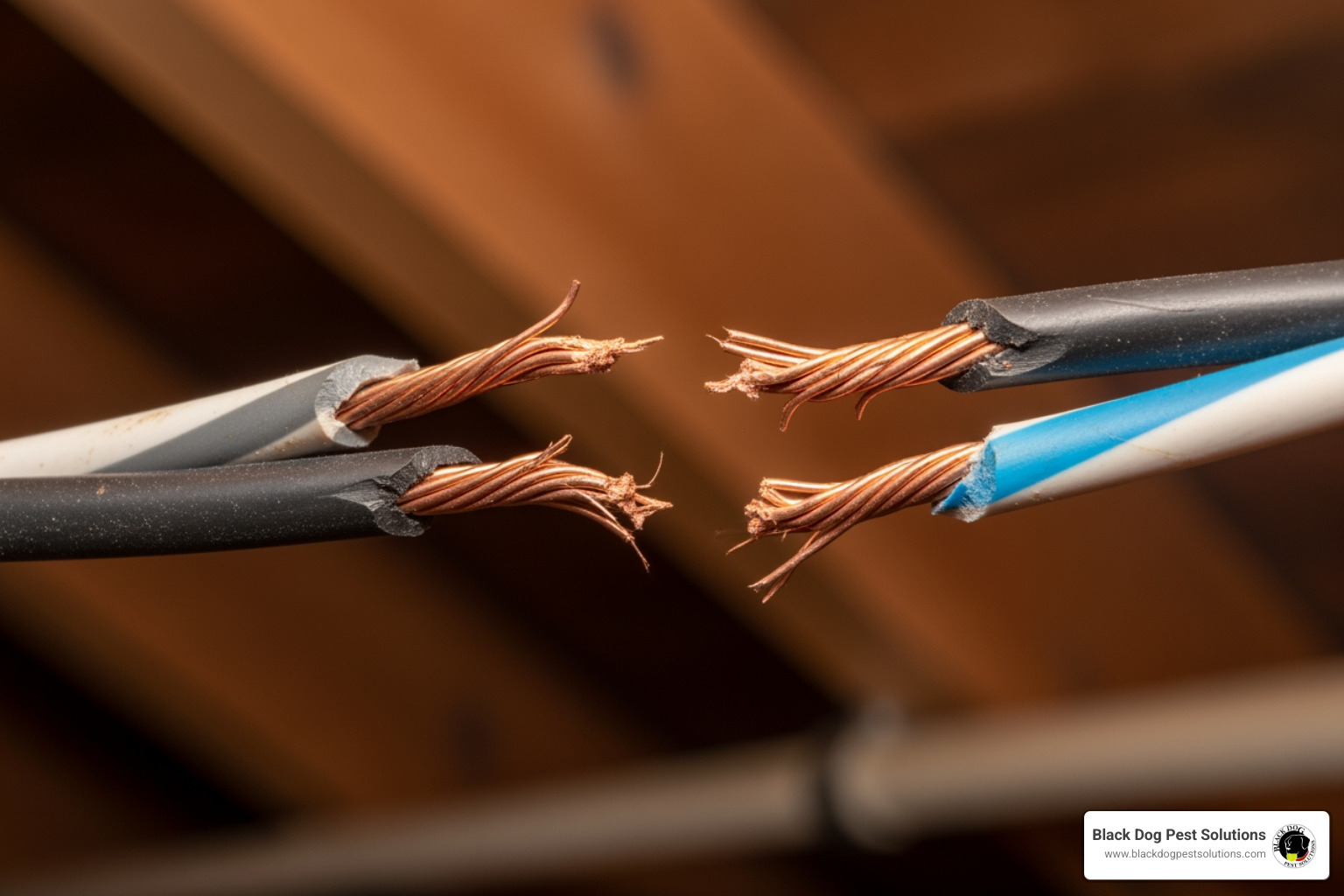
Property damage is another major concern. Mice must constantly chew to keep their teeth from growing too long, and they often target electrical wiring, which poses a serious fire hazard. In fact, rodents are implicated in a significant percentage of undetermined house and structure fires. They can also contaminate insulation, gnaw on pipes, wood, and structural elements, and ruin stored food and personal belongings. The long-term costs of inaction, from health issues to extensive property repairs, can quickly accumulate and far outweigh the initial investment in professional mouse control.
What are the health risks associated with mice?
Mice are more than just a nuisance; they pose significant health risks to humans and pets. Their presence can lead to the transmission of various diseases, directly and indirectly.
- Disease Transmission: Mice can carry and spread pathogens responsible for illnesses such as Hantavirus, Lymphocytic Choriomeningitis (LCMV), and Salmonella. These diseases can be transmitted through direct contact with mouse droppings, urine, or saliva, or by inhaling airborne particles from contaminated areas.
- Food and Surface Contamination: As mice forage for food, they can contaminate food preparation surfaces, utensils, and stored food items with their droppings and urine, leading to foodborne illnesses.
- Allergies and Asthma: Mouse allergens, found in their dander, urine, and droppings, can trigger allergic reactions and exacerbate asthma symptoms, particularly in sensitive individuals and young children.
- Parasites: Mice can also host parasites like fleas, ticks, and mites, which can then transfer to pets and humans, introducing additional health concerns.
What kind of property damage can mice cause?
The destructive habits of mice can lead to extensive and costly property damage, often unnoticed until the problem is severe.
- Electrical Wiring Damage: One of the most dangerous forms of damage is their tendency to chew through electrical wiring. This not only disrupts power but also creates a serious fire hazard, potentially leading to devastating consequences.
- Insulation Contamination: Mice frequently nest in attic and wall insulation, compacting it and contaminating it with urine and droppings. This reduces the insulation’s effectiveness and creates a biohazard, often requiring costly removal and replacement.
- Structural Damage: They can gnaw on wooden structures, pipes, and other building materials, weakening integrity over time.
- Contaminated Belongings: Stored food, clothing, books, and other personal belongings can be chewed through and contaminated, leading to significant losses.
- Unpleasant Odors: The accumulation of mouse urine and droppings, along with potential dead mice in inaccessible areas, can create persistent and unpleasant odors throughout your home.
Why is professional cleanup and sanitization often necessary?
After a mouse infestation has been addressed, professional cleanup and sanitization are often crucial steps to fully restore your home’s safety and hygiene. Mice leave behind a trail of biohazards that can continue to pose health risks even after the rodents are gone.
Professional cleanup involves the safe removal of contaminated insulation, nesting materials, and accumulated droppings and urine. This process requires specialized equipment, such as HEPA vacuums, and protective gear to prevent the spread of pathogens like Hantavirus, which can become airborne when disturbed. Following removal, affected areas are thoroughly disinfected to eliminate any remaining bacteria, viruses, and the pheromones that can attract new mice. Black Dog Pest Solutions understands the importance of a clean and healthy living environment and can assist with comprehensive cleanup and sanitization services to ensure your home is fully restored.
Is professional mouse control a worthwhile investment compared to DIY, and how can you save money?
When faced with mice, many homeowners weigh the perceived initial investment of DIY solutions against hiring a professional. While DIY supplies can represent a smaller upfront cost, professional services, though often a more significant initial investment, typically boast a higher success rate. Studies suggest that professional pest control achieves a notably higher success rate compared to DIY methods, which can often be less effective for established problems.
The cost of mouse control can also vary by season and region. During peak seasons, typically fall and winter when mice seek warmth indoors, demand for services can be higher, potentially influencing costs. Conversely, scheduling services during off-peak seasons like spring or summer might offer opportunities for discounts.
There are strategic ways to save money on mouse pest control services. These include obtaining multiple quotes, implementing preventative measures, and considering long-term service plans.
When is DIY mouse control effective, and when should you call a professional?
DIY mouse control can be effective for very minor, isolated issues. If you’ve only seen one or two mice and can easily identify and seal their entry points, a few well-placed traps might resolve the problem. However, DIY methods often have limitations. They can be ineffective for established infestations where mice reproduce quickly, making it difficult to keep up with the population. Homeowners may also struggle to find all entry points, leading to recurring problems, and there are risks associated with the improper use of baits or traps.
Professional intervention becomes the smarter choice for persistent problems, severe infestations, or when mice are in hard-to-reach areas like wall voids or attics. If you have concerns about health risks or simply want a reliable, long-term solution, calling a professional is recommended. Black Dog Pest Solutions, a licensed and family-owned company in Avon, offers expert solutions tailored to your specific needs, providing peace of mind that the problem will be handled effectively.
How can you strategically save money on mouse control?
Saving money on mouse control often comes down to proactive measures and informed decision-making.
- Preventative Measures: The most cost-effective strategy is prevention. Regularly inspect your home for potential entry points and seal them proactively. Maintaining a clean home, storing food properly in sealed containers, and promptly cleaning up spills can significantly reduce the attractiveness of your home to mice.
- Strategic Scheduling: Consider scheduling preventative or minor treatment services during off-peak seasons, such as spring or summer. Demand for pest control services tends to be lower then, which might lead to more favorable rates.
- Comparing Quotes: Always get detailed estimates from multiple pest control companies in Avon. This allows you to compare the scope of services, proposed methods, and overall investment, ensuring you choose the best value for your needs.
- Long-Term Plans: While a one-time treatment addresses an immediate problem, recurring service plans can often be more cost-effective for ongoing prevention, especially if your property is prone to seasonal mouse activity. Black Dog Pest Solutions offers comprehensive plans tailored to your needs, designed to provide continuous protection and help prevent future infestations.
What should you look for in a pest control company in Avon?
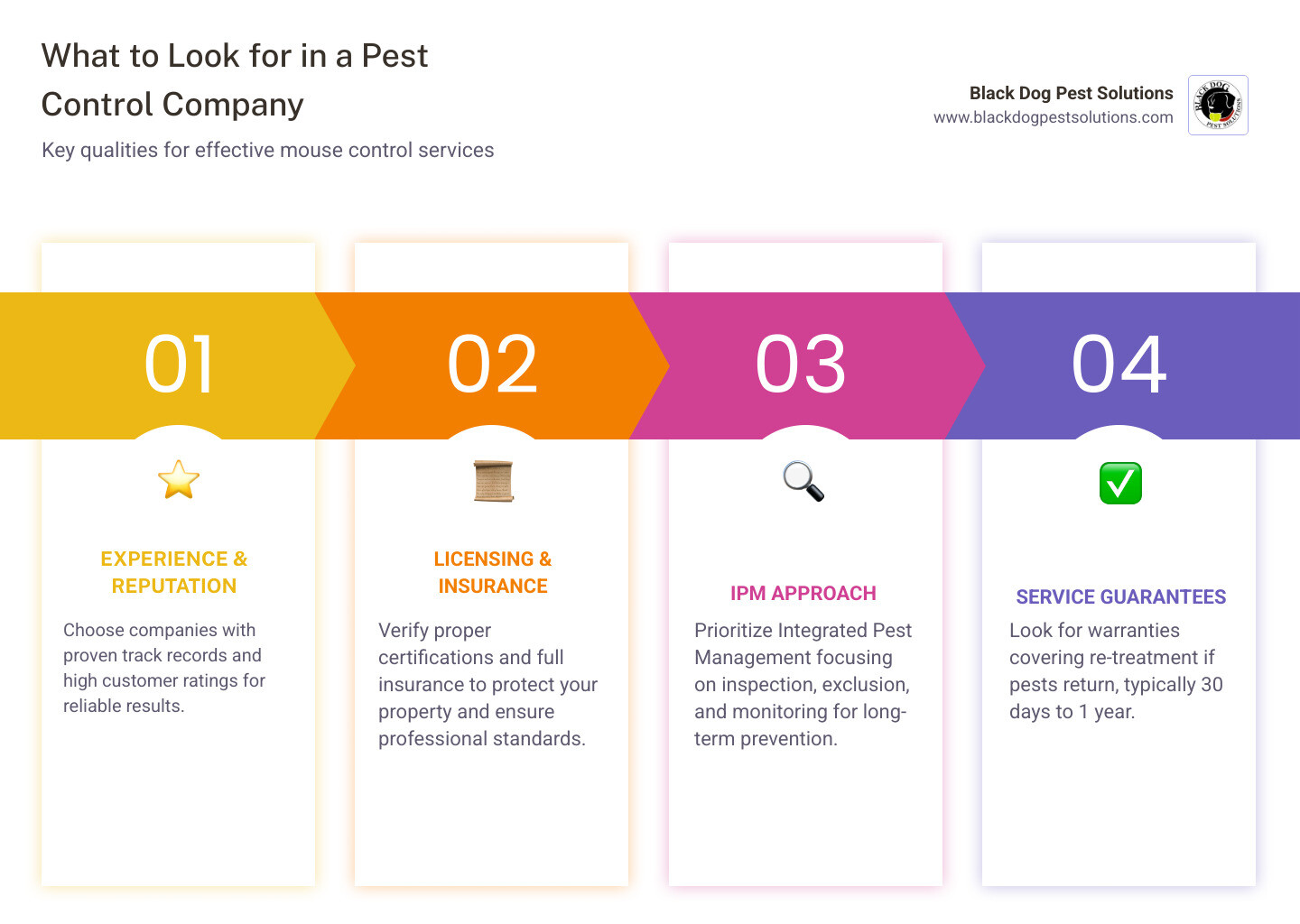
Choosing the right pest control company is crucial for effective and reliable mouse control. When searching for pest control companies in Avon, consider the following:
- Experience and Reputation: Look for companies with a proven track record and high customer satisfaction. Black Dog Pest Solutions, for example, boasts a 4.9/5.0-star Google rating, reflecting our commitment to service excellence.
- Licensing and Insurance: Ensure that the company’s technicians are properly certified and that the business is fully insured. This protects both you and the service providers.
- Integrated Pest Management (IPM) Approach: Prioritize companies that utilize an IPM approach, focusing on thorough inspection, exclusion, and monitoring for long-term results rather than just reactive treatments.
- Service Guarantees: Inquire about any service guarantees or warranties offered. While specific terms can vary, a commitment to customer satisfaction is a good indicator of a reliable provider.
Black Dog Pest Solutions, led by Mat Ledyard, has been proudly serving Northern Ohio since approximately 2005/2014 and is BBB accredited, demonstrating our dedication to professional and trustworthy service.
Frequently Asked Questions about Mouse Pest Control Costs
What service terms do mouse exterminators typically offer?
Service terms and follow-up policies can vary significantly between providers. Some companies may offer specific service agreements for exclusion work, which are typically outlined in the service contract. These might involve potential follow-up visits if mouse activity is observed within a certain timeframe, but such terms are subject to the provider’s specific policies and the nature of the infestation. It’s always important to clarify the exact details and limitations of any service agreement with your chosen provider before committing to a service.
How many visits does it take to fully eliminate mice, and what is the cost per visit?
The number of visits required to fully eliminate mice depends significantly on the severity of the infestation and the chosen treatment plan. A typical initial service might involve 1-3 visits over a few weeks, encompassing initial trapping, exclusion work, and follow-up monitoring. For more extensive or persistent problems, additional visits may be necessary. While the cost per visit can vary, many companies offer package deals that include multiple visits and a comprehensive approach, which can be a more cost-effective option than paying for individual appointments.
Is mouse damage covered by homeowners insurance?
Generally, standard homeowners insurance policies typically do not cover damage caused by rodents or other pests. This type of damage is often classified as a maintenance issue that homeowners are expected to prevent. However, policy terms can vary widely, so it’s always best to review your specific insurance policy or consult directly with your insurance provider for clarification on what is and isn’t covered.
Conclusion
Understanding the costs associated with professional mouse control is crucial for homeowners facing an infestation. While DIY methods might seem like a lower investment upfront, the long-term health risks and potential for extensive property damage often make professional intervention a more cost-effective and reliable solution in the long run. By understanding the factors that influence pricing, the components of a comprehensive service, and the value of exclusion as a long-term strategy, you can make an informed decision to protect your home and family.
For residents in Northern Ohio, pest control companies in Avon like Black Dog Pest Solutions offer expert, humane, and effective mouse control services. We prioritize prevention and long-term solutions, focusing on minimizing stress and suffering for the animals while effectively addressing your pest concerns. Our commitment to an Integrated Pest Management approach ensures that your home receives a thorough inspection, effective treatment, and robust exclusion to help prevent future infestations. Prevention is truly the best long-term approach to keeping your home mouse-free.