
Office pest control in winter centers on the spots where people bring in food, water and warmth, like break rooms, receiving areas and doors that open all day. This guide covers why mice and cockroaches show up indoors in cold months, where to look first in an office or store, and how staff can help keep problems small.

Why pests move indoors in the cold months
Mice tend to move in as the weather cools. UC IPM says that where outdoor populations exist, house mice frequently enter homes in autumn when nighttime temperatures become colder. Commercial buildings have another route. The same source says mice in commercial facilities are often brought in on or inside packaged goods, or from delivery vehicles.
German cockroaches are a different kind of problem because they live indoors year-round. University of Kentucky Extension calls the German cockroach by far the most common cockroach infesting homes and buildings, and it doesn’t occur outdoors. It needs warmth, moisture and food, which is why it’s most common in kitchens and bathrooms. Kentucky Extension says it’s often introduced in grocery bags, beverage cartons or furniture.
The same fact sheet notes that German cockroaches gather in clocks, toaster ovens and other electronics that give off heat, and they often travel between rooms through walls, pipes and wires.
Where to look first: break rooms, deliveries and doors
The EPA’s guide to integrated pest management (IPM) in buildings lists loading docks, dumpster areas, kitchens, food storerooms, cafeterias and lounges as pest vulnerable areas, often because food, water or shelter is available there. In an office or store, that usually means these spots:
| Area | Why pests use it | What helps |
| Break room | German cockroaches hide under sinks, behind refrigerators, near trash and inside cabinets. | Keep counters and floors free of crumbs, food scraps and standing water. |
| Receiving area | Mice can arrive in packaged goods or delivery vehicles. Cockroaches can ride in on beverage cartons. | Check incoming boxes and cartons before they go into storage. |
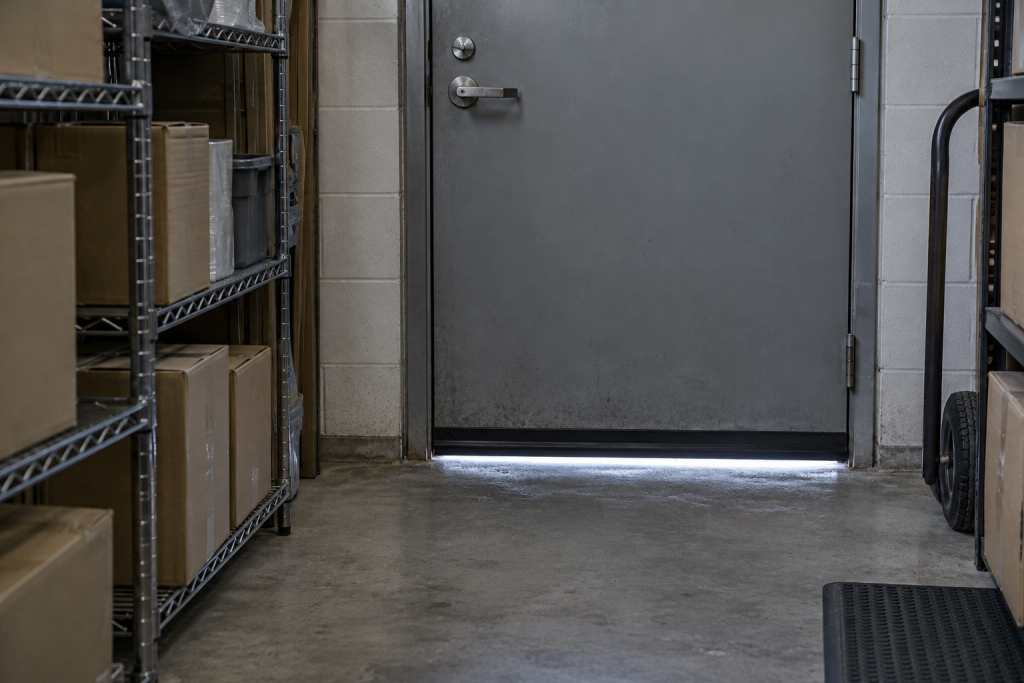
| Entry and back doors | Gaps under doors let pests in. | Add door sweeps or fix gaps under doors. Weather-strip doors. |
| Trash and dumpster area | The EPA lists dumpster areas as pest vulnerable. | Remove or seal up garbage at night. Keep tight lids on cans. |
| Stockroom | Clutter gives pests places to hide. | Bring order to storage areas and clear out clutter. |
Sources: EPA, Integrated Pest Management in Buildings. University of Kentucky Extension, ENTFACT-614. UC IPM, Pest Notes 7483.
What office pest control looks like during the cold months
EPA guidance lays out four IPM steps: identify the pest and monitor progress, set action thresholds, prevent, and control. An action threshold is the level at which a pest becomes a nuisance, health hazard, or economic threat.
Prevention comes first. The EPA guide lists reducing clutter, sealing places where pests enter, removing trash and standing water, and keeping dining and food storage areas clean. It also points out that weatherizing a building with door sweeps and caulking keeps pests out while saving energy, which helps when you’re sealing drafts for winter.
Good records make it easier for businesses to see what’s working. The EPA advises keeping a well-recorded physical log of pest management efforts, including the date, pest type, control method and result. Each service should leave an on-site record, including any pesticide applications, notes on non-chemical methods and recommendations for preventing future problems.
At Black Dog Pest Solutions, we work with office buildings and retail stores across Northern Ohio. Our commercial pest control programs include routine inspections and plans tailored to your property, with interior and exterior treatments, and we schedule service at a time that fits your business.
How staff and tenants can help
People in the building tend to see pests first. The EPA guide asks building occupants to keep their space free of crumbs, food scraps, standing water and debris, to report pests to building management right away, and to inspect their belongings so they don’t bring pests in. Cleaning staff can track pest reports and point out repairs that would help.
Closing gaps is one of the most useful winter fixes. To keep house mice out, the Internet Center for Wildlife Damage Management (ICWDM) advises sealing openings larger than 1/4 inch wide with hardware cloth. It also warns that expanding foam helps reduce heat loss but won’t prevent rodents from getting in.
When a cockroach shows up in the break room, report it instead of reaching for a spray can. Kentucky Extension says treatment should focus on finding and treating preferred harborage locations rather than spraying baseboards and counters at random. Our cockroach control service covers German cockroaches.
If mice or cockroaches are turning up in your break room or stockroom this winter, we can help find where they’re coming from. Regular office pest control helps protect your staff, your customers and the space you work in. Call Black Dog Pest Solutions at 440-654-8234 or contact us online to schedule an inspection.
Frequently asked questions
Why do we see more mice in the fall and winter?
Where mice live outdoors nearby, they often move inside in autumn as nights get colder. In commercial buildings, they can also come in with packaged goods and deliveries.
Where do cockroaches hide in an office?
Look in the break room. German cockroaches hide under sinks, behind refrigerators, near trash, inside cabinets and in warm appliances like toaster ovens.
Does spray foam keep mice out?
No. Expanding foam can reduce heat loss, but it won’t stop rodents. Use hardware cloth to cover openings larger than 1/4 inch.
What records should a pest control program keep?
A log of each visit with the date, pest type, control method and result. Each service should also leave recommendations for preventing future problems.
Do you offer preventative or year-round pest control plans?
Contact Black Dog Pest Solutions to ask about preventative and year-round options for your office or store. The team can share details about available services, scheduling, pricing and pest coverage. Call 440-654-8234.