
The Norway rat, also known as the brown rat, lives close to people and usually nests in burrows below ground or at ground level. As Northern Ohio turns cold, knowing where these rats settle can help you spot them early and keep them away from your home, garage and stored food.
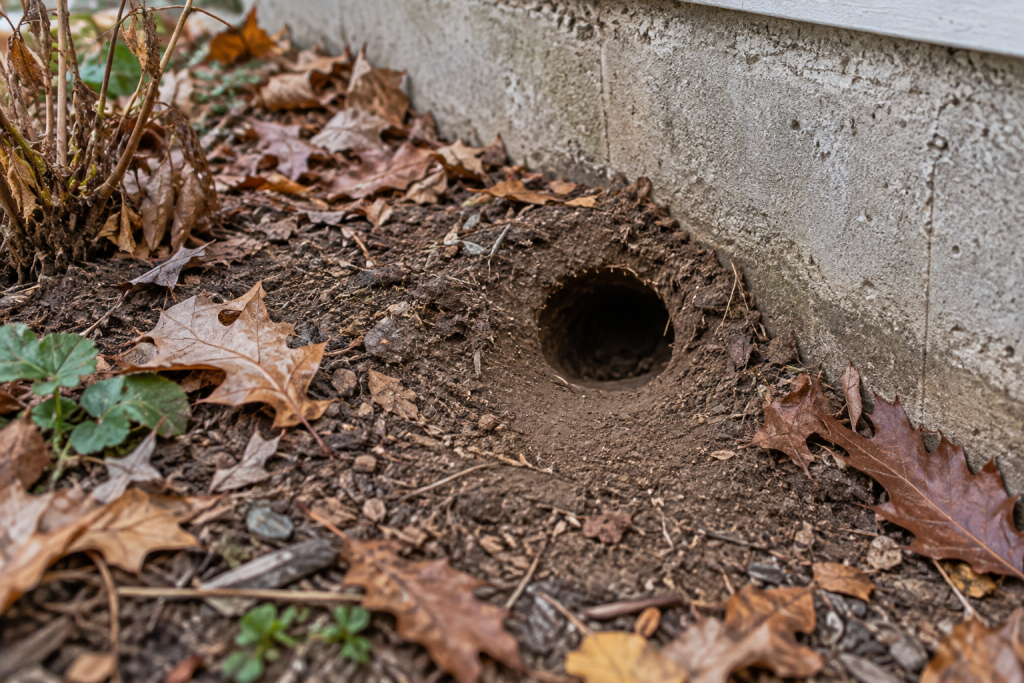
Where a Norway rat goes when it gets cold
Warmth shapes where these rats nest. The Internet Center for Wildlife Damage Management (ICWDM) says that in northern climates, rats prefer to locate nests near sources of heat.
Around homes, these rats live in and around houses and cellars, and they may burrow under buildings and other structures or beneath concrete slabs, according to the same page. They’re good climbers, but they tend to stay on the lower floors of buildings. Runs or burrows may be found next to walls and buildings, along fences, and under bushes and debris, the center adds.
Pet food is a common draw, and it’s common to find rats living in close association with cats and dogs, often under dog houses.
Their range is small. A rat travels an area about 100 to 150 feet across each day and seldom goes more than 400 feet from its burrow for food or water. A rat you see near your garage is likely living close by.
Signs of rat activity to check this winter
Rats are active at night and wary of people, so you’ll usually find signs before you see the animal. ICWDM says a search should include attics, basements, and crawl spaces, around foundations, and behind and under storage materials.
| Sign | What to look for |
| Burrow holes | Active holes are 2 to 3 inches wide. They’re clean of debris and may have rat hairs at the entrance. |
| Runways | Worn paths run next to walls, along fences and under bushes. Rats use the same routes over and over. |
| Droppings | Droppings can be as large as 3/4 inch long and 1/4 inch wide with blunt ends. They’re usually clumped in small groups. |
| Gnaw marks | Grooves are about 1/16 inch wide. Fresh wood or insulation shavings point to current activity. |
| Rub marks | Dark smudges show up on beams, pipes and walls. They come from oil and dirt rubbing off the fur. |
Source: ICWDM, Norway Rats.

What you find can hint at how many rats are present. Old droppings and gnawing, or one or more rats seen at night, suggest moderate numbers. Fresh droppings, tracks and gnawing, three or more rats seen at night, or rats seen during the day suggest large numbers. For help telling rat signs from mouse signs, see our post on mice vs rats.
Why winter is a good time to deal with rats
Breeding often slows down in the cold. ICWDM says the peak breeding time is often in spring and fall, with activity declining in summer heat and often stopping in winter, depending on habitat. Once breeding picks up, numbers can climb quickly. Females have 3 to 6 litters a year with 6 to 12 young per litter, and young rats reach maturity at about 3 months.
Dealing with a small group now may mean fewer rats to handle when spring breeding starts, and less damage. Rats gnaw on electrical wires and water pipes, their burrowing can undermine foundations, and nesting in walls and attics can damage insulation. The same page lists murine typhus, leptospirosis, salmonellosis and rat bite fever among the diseases Norway rats can spread to people.
How to keep rats away from your foundation and garage
The center calls rat-proofing an important and often neglected part of control. Its guidance is to seal all holes and openings larger than 1/2 inch across with heavy materials that resist gnawing, such as concrete mortar, 24-gauge galvanized sheet metal or 18-gauge hardware cloth.
Cutting back shelter and food helps too:
- Remove stacked lumber, firewood and other debris from around buildings.
- Store pet food and bulk food in heavy, rust-resistant containers with tight lids. Galvanized steel holds up better than plastic.
- Feed outdoor pets only enough for a single meal.
- Keep tight-fitting lids on garbage cans and empty them regularly.
In some cases, a strip of heavy gravel along the foundation can reduce burrowing. The stones should be at least 1 inch across, in a band at least 2 feet wide and 6 inches deep.
Rats are cautious around anything new and often avoid new traps and bait stations for several days. Some products, like tracking powders and burrow fumigants, are limited to licensed applicators. Our rat control and rodent control services start with an inspection to find entry points and nesting areas.
Frequently asked questions
Do rats breed in the winter?
Breeding often slows or stops in winter, depending on habitat. It usually peaks in spring and fall.
How big is a rat burrow hole?
Active burrow openings are 2 to 3 inches wide. They’re usually clean of debris, and you may see hairs around the entrance.
How far from its burrow does a rat travel?
A rat covers an area about 100 to 150 feet across each day. It seldom goes more than 400 feet from its burrow for food or water.
What size gaps should I seal to keep rats out?
Seal openings larger than 1/2 inch with gnaw-resistant materials like concrete mortar, sheet metal or hardware cloth.
Is rat control safe for pets and kids?
Contact Black Dog Pest Solutions before booking to discuss children, pets or sensitivities in your household. Ask about the proposed treatment and any precautions needed before, during and after the appointment. Call 440-654-8234 for treatment-specific information.
If you’re finding burrows, droppings or gnaw marks, a Norway rat may be settling in near your home for the winter. We can help find where it’s nesting and how it’s getting in, which helps protect your home, wiring and stored food before spring. Call Black Dog Pest Solutions at 440-654-8234 or contact us online to schedule an inspection.