
A pest control visit is easier when you know what’s coming. Maybe you’ve found mice in the basement or ants in the kitchen of your Northern Ohio home, and you aren’t sure whether the technician will spray right away, look around first, or ask you to leave the house. This guide walks through a typical visit from the first question to the follow-up, based on the integrated pest management (IPM) approach the U.S. Environmental Protection Agency describes.
The inspection comes first
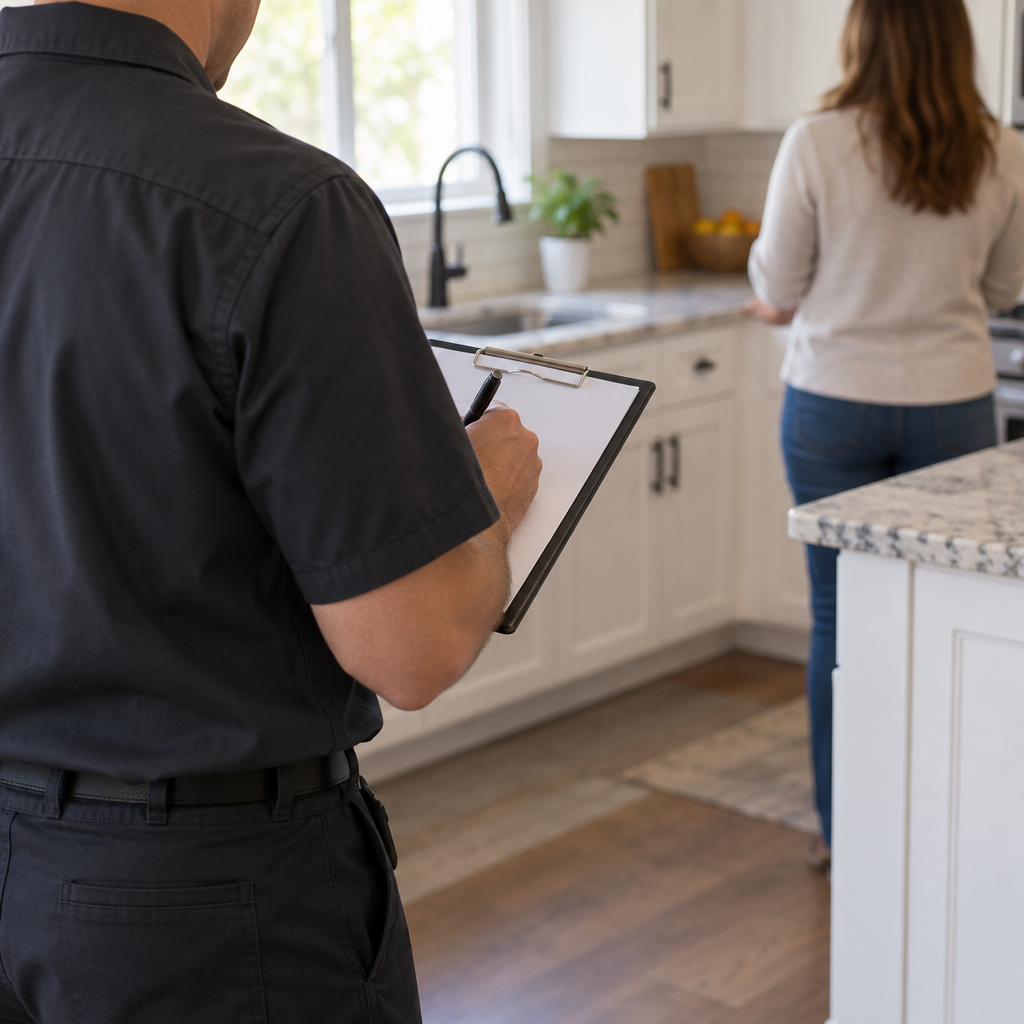
A good visit starts with looking, not spraying. EPA’s introduction to integrated pest management explains that IPM programs monitor for pests and identify them accurately, so the right control decision gets made. That step removes the chance that pesticides get used when they aren’t needed, or that the wrong product gets used.
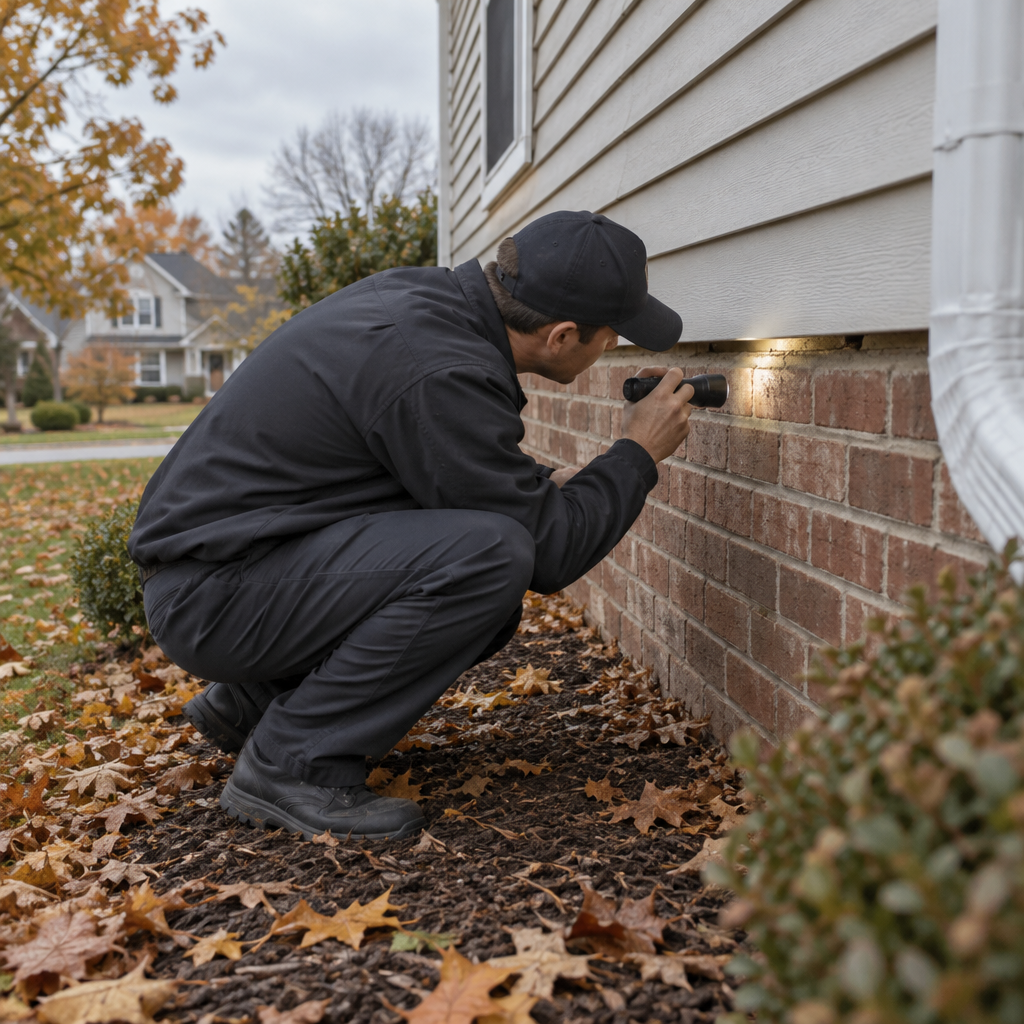
On a home visit, that usually means walking the inside and outside of the house, checking where you’ve seen activity, and looking for how the pest is getting in. Expect questions too. When did you first notice it? Which rooms? Have you tried any store products? Your answers help narrow the search.
How IPM shapes the treatment plan
IPM is a series of evaluations, decisions and controls rather than a single method, according to EPA. Here’s how its four steps translate to a residential visit.
| IPM step (EPA) | What EPA says | What it looks like at your home |
| Set action thresholds | Sighting a single pest doesn’t necessarily mean control is needed. | One stray spider may not call for treatment. An active ant trail may. |
| Monitor and identify | Accurate ID keeps the wrong product from being used. | The technician confirms which pest you have before choosing a method. |
| Prevention | Manage the space so pests don’t become a threat. | Sealing gaps, fixing moisture and reducing clutter or food sources. |
| Control | Effective, less risky controls come first. Broadcast spraying of non-specific pesticides is a last resort. | Targeted treatment where the pest lives, not a blanket spray. |
Source: U.S. EPA, Integrated Pest Management (IPM) Principles.
At Black Dog Pest Solutions, residential services start with an inspection, and treatments are tailored to the home. Depending on inspection findings and the service selected, treatment may include interior work, exterior work, or both.
Residential and commercial visits differ
Homes and businesses follow the same IPM logic, but the setting changes the details. Black Dog’s commercial services cover restaurants, apartment complexes, offices, hotels and retail stores across the greater Cleveland area, with flexible scheduling to limit disruption. For restaurants and bars, that means targeted treatments for pests like rodents, cockroaches and flies.
What you may be asked to do before and after
EPA’s tips for selecting a pest control service say to cooperate with any instructions the service person gives before, during, or after an application. The examples EPA lists include:
- Remove personal items from the floor if asked.
- Empty kitchen cabinets if asked.
- Take pets out of the treatment area.
- Remove aquariums, or cover them with heavy plastic and turn off the air pump.
- Keep children and pets out of treated areas until the spray has dried.
Some pests need more prep than others. Bed bug work often needs the most, and our guide on bed bugs in apartment buildings covers why cooperation between neighbors matters. If the technician suggests non-chemical steps, like sealing a gap, EPA says to follow those instructions too.
Questions worth asking during a pest control visit
The visit is also your chance to learn what’s being done. It’s reasonable to ask whether the person doing the work is a certified, licensed pesticide applicator or a licensed technician, a question EPA suggests. You can also ask for copies of the labels for any pesticides used and the rates they’ll be applied. Licenses can be verified through state departments of agriculture, EPA notes, which is the Ohio Department of Agriculture here.
A few more questions help you plan:
- What pest did you find, and where is it coming from?
- What should I do, or avoid doing, before the next visit?
- When should I call back if I still see activity?
Service contracts for homeowners should include periodic inspections, EPA points out, and pesticides shouldn’t be applied unless pests are actually present and can’t be controlled by other means. That’s a fair standard to keep in mind if you’re offered ongoing service.
FAQ
How long does a visit take?
It depends on the pest, the size of the property, and what the inspection finds. Ask for a time estimate when you book.
Do I need to leave the house?
It depends on the service. Follow the instructions you’re given. EPA says to keep children and pets out of treated areas until the spray has dried.
Will the technician spray right away?
Under IPM, identification comes first. EPA says broadcast spraying of non-specific pesticides is a last resort, and targeted, less risky controls come first.
What should I do to prepare?
Do what the service person asks before they arrive. EPA lists examples such as clearing items off the floor, emptying kitchen cabinets and removing pets.
How long does pest control last?
It varies by pest and conditions. EPA calls prevention the first line of pest control under IPM, because it keeps pests from becoming a threat in the first place.
If you’re ready to book your first pest control visit, call Black Dog Pest Solutions at 440-654-8234 or contact us online. We’ll inspect, identify what’s there, and walk you through the options to help protect your home and family.