
Why a Rodent Removal Service Matters for Northern Ohio Homeowners
A professional rodent removal service is the most reliable way to eliminate mice and rats from your home and help prevent them from coming back. Here’s what that typically involves:
| Step | What Happens |
|---|---|
| Inspect | A technician checks your home for signs of activity and entry points |
| Diagnose | They identify the rodent species and infestation size |
| Remove | Traps or other targeted methods are used to eliminate rodents |
| Exclude | Entry points about 1/4 inch or smaller are sealed with materials more resistant to chewing |
| Monitor | Follow-up checks confirm the problem is resolved |
Rodents damage over 20 million homes in the U.S. each year. They chew wires, contaminate food, and carry diseases like hantavirus and salmonellosis. In Northern Ohio, local weather and building conditions can make homes especially attractive to mice — particularly as temperatures drop.
And infestations grow fast. Mice reproduce quickly, and a small problem can turn into a serious one within weeks if it goes untreated.
That’s why understanding your options early makes a real difference.
I’m Mat Ledyard, owner of Black Dog Pest Solutions in Avon, Ohio — I’ve been working in rodent removal service and general pest control since 2005, and I’ve seen how quickly a rodent problem can spiral without the right approach. In this guide, I’ll walk you through the most common questions homeowners ask so you know exactly what to expect.
1. What Are the Signs of a Rodent Infestation?
Recognizing a rodent problem early is key to keeping it from getting out of hand. Because rodents are nocturnal and naturally avoid humans, you will likely see or hear the signs of their presence long before you spot an actual mouse or rat running across your kitchen floor.
Here are the most common signs that rodents have moved into your living space:
- Droppings: This is often the first and most obvious sign. A single mouse can produce up to 25,000 fecal pellets each year (averaging about 70 times daily), while a single rat can defecate up to 60 times in one day. You will typically find these small, dark pellets in pantries, under sinks, along baseboards, or in attics and crawl spaces.
- Gnaw Marks: Rodents have continuously growing incisor teeth that they must constantly wear down. You might notice chew marks on wooden baseboards, plastic piping, cardboard boxes, or food packaging.
- Scratching Noises: As evening falls, you might hear scratching, scurrying, or squeaking sounds inside your walls, ceilings, or attic.
- Grease and Rub Marks: Rats and mice have oily fur. As they travel along their established pathways next to walls, they often leave dark, greasy smudge marks on baseboards, drywall, and beams.
- Musty Odors: A large or long-standing infestation often produces a distinct, stale, ammonia-like smell from accumulated urine and droppings.
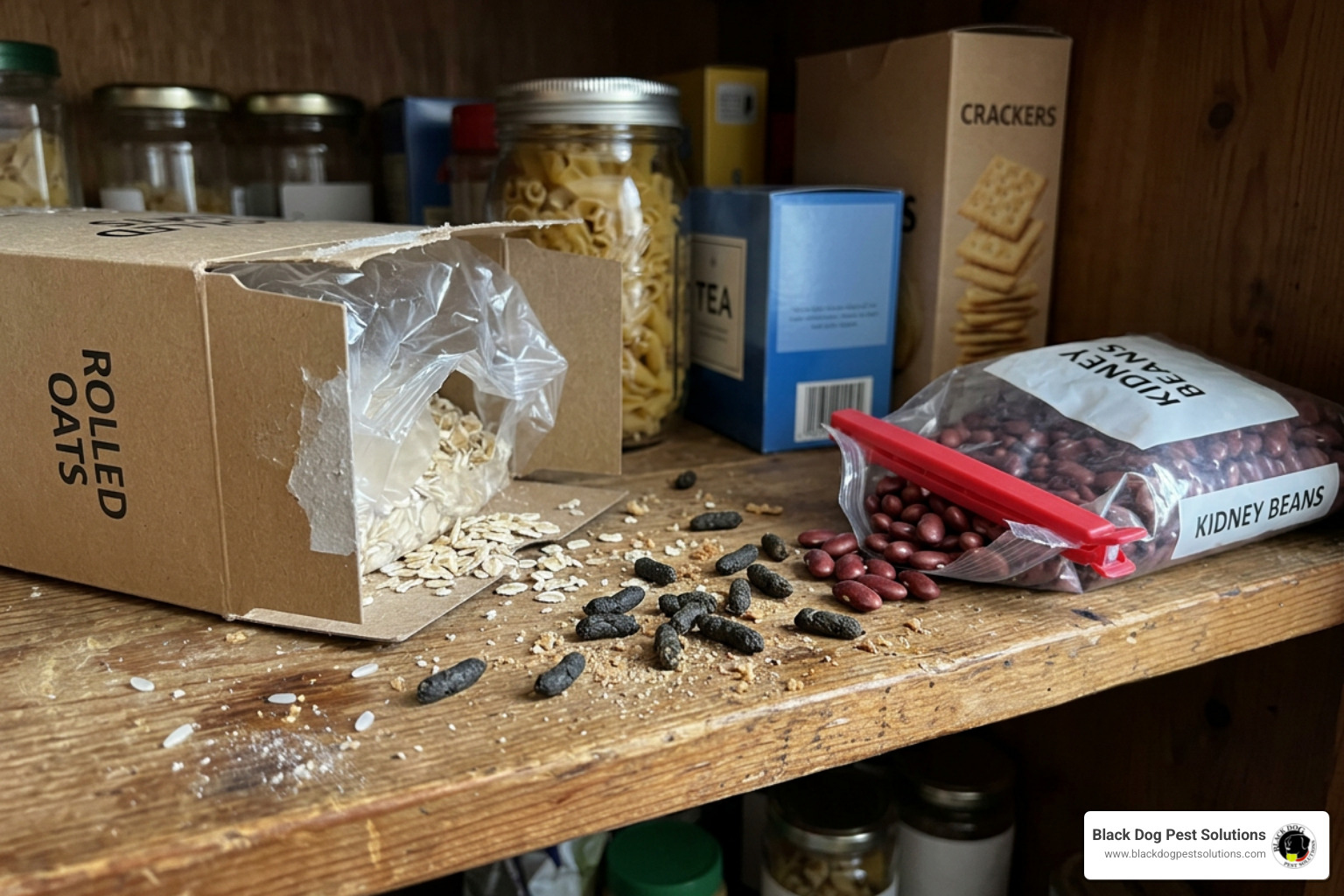
If you suspect you have unwanted roommates, learning more about their habits can help you take action. For a detailed breakdown of how to identify and address these early warning signs, read our comprehensive guide on Everything You Need to Know About Mice Control.
2. How Do Rodents Enter Homes and What Attracts Them?
It is often surprising how easily rodents can slip into a house. House mice can squeeze through gaps and holes that are about 1/4 inch or smaller—roughly the size of a pen or a dime. Rats do not need much more space, often utilizing openings no larger than a quarter.
Common Entry Points
Rodents are excellent climbers and diggers. They can enter your home through:
- Gaps around utility pipes and outdoor faucets
- Cracked foundation walls or loose brickwork
- Damaged roof vents, soffits, and fascia boards
- Gaps beneath garage doors or poorly sealed exterior doors
What Attracts Rodents to Your Home?
Rodents are simple creatures driven by basic survival needs: food, water, and shelter.
- Food Sources: Unsealed dry goods, pet food left out overnight, fallen fruit in the yard, and unsecured trash cans are major attractants.
- Shelter and Clutter: Cardboard boxes, old newspapers, piles of firewood, and overgrown shrubbery near your foundation provide perfect nesting spots.
- The Weather Factor: Local weather and building conditions can make homes more attractive to mice. When the cool autumn air arrives in Northern Ohio, rodents naturally look for a warm place to nest for the winter.
Garages are particularly vulnerable because they are opened frequently and often contain stored items. To protect these semi-outdoor spaces, check out our tips on how to Don’t Let Rodents Make a Meal Out of Your Garage Sofa.
3. What Health Risks and Property Damage Do Rodents Cause?
A rodent infestation is more than just an annoying inconvenience; it poses real threats to your family’s health and your home’s structural integrity.
Health Risks
Rodents are known vectors for a variety of pathogens. They can transmit diseases directly through contact with their feces, urine, or saliva, and indirectly through secondary pests like fleas, ticks, and mites that they carry into your home. Some of the most notable health risks include:
- Hantavirus: A severe respiratory disease contracted by breathing in dust contaminated with rodent urine or droppings.
- Salmonellosis: Food poisoning caused by eating food contaminated with rodent waste.
- Leptospirosis and Lymphocytic Choriomeningitis (LCMV): Viral and bacterial infections that can be transmitted through contact with rodent fluids.
For residents dealing with wildlife concerns, the Lorain County Nuisance Animal Control resource provides helpful local guidelines on managing wild animal encounters safely.
Property Damage
Because rodents must chew constantly to keep their teeth sharp, they can cause extensive physical damage:
- Fire Hazards: Rodents frequently chew through the plastic coating of electrical wiring inside walls, exposing the copper wires and creating a major fire risk.
- Water Damage: Mice and rats can chew through plastic PEX plumbing pipes, leading to hidden water leaks that can rot wood and ruin ceilings.
- Ruined Insulation: Rodents tear up fiberglass and cellulose insulation in attics and crawl spaces to build their nests, which reduces your home’s energy efficiency and leaves behind contaminated waste.

4. Why You Need a Professional Rodent Removal Service
When homeowners discover mice, their first instinct is often to head to the hardware store for a box of snap traps or chemical baits. While DIY methods might catch a few unsuspecting pests, they rarely solve a full-blown infestation.
The Limitations of DIY
- Dealing with the Symptoms, Not the Cause: Setting traps in your kitchen might catch a few mice, but it does not address the entry points they are using to get inside.
- Odor Problems: Applying store-bought poisons often backfires. Rodents eat the bait, crawl deep inside your walls or under floorboards to die, and leave behind an incredibly unpleasant odor that can last for weeks.
- Safety Risks: Handling chemical baits poses risks to curious pets and young children.
The Professional Advantage
Hiring professional pest control companies in Avon ensures that the root cause of the infestation is addressed. Professionals understand rodent biology, nesting habits, and behavior, allowing them to place traps strategically and implement effective exclusion techniques.
Furthermore, safety and legal compliance are critical. In Ohio, anyone applying pesticides or rodenticides for hire must hold a valid state pesticide business license. Working with a licensed professional ensures that all treatments are applied safely, legally, and in accordance with environmental regulations.
To learn more about what a comprehensive professional approach looks like, explore The Ultimate Guide to Professional Mouse Removal.
5. What Methods Do Professionals Use to Remove Rodents?
Professional rodent control relies on Integrated Pest Management (IPM). Rather than relying solely on chemical treatments, IPM is a holistic approach that combines inspection, sanitization, structural repairs (exclusion), and targeted trapping to manage pests safely and effectively.
According to the EPA Integrated Pest Management (IPM) Principles, managing pests through environmental controls and structural modifications is the most sustainable way to protect your home.
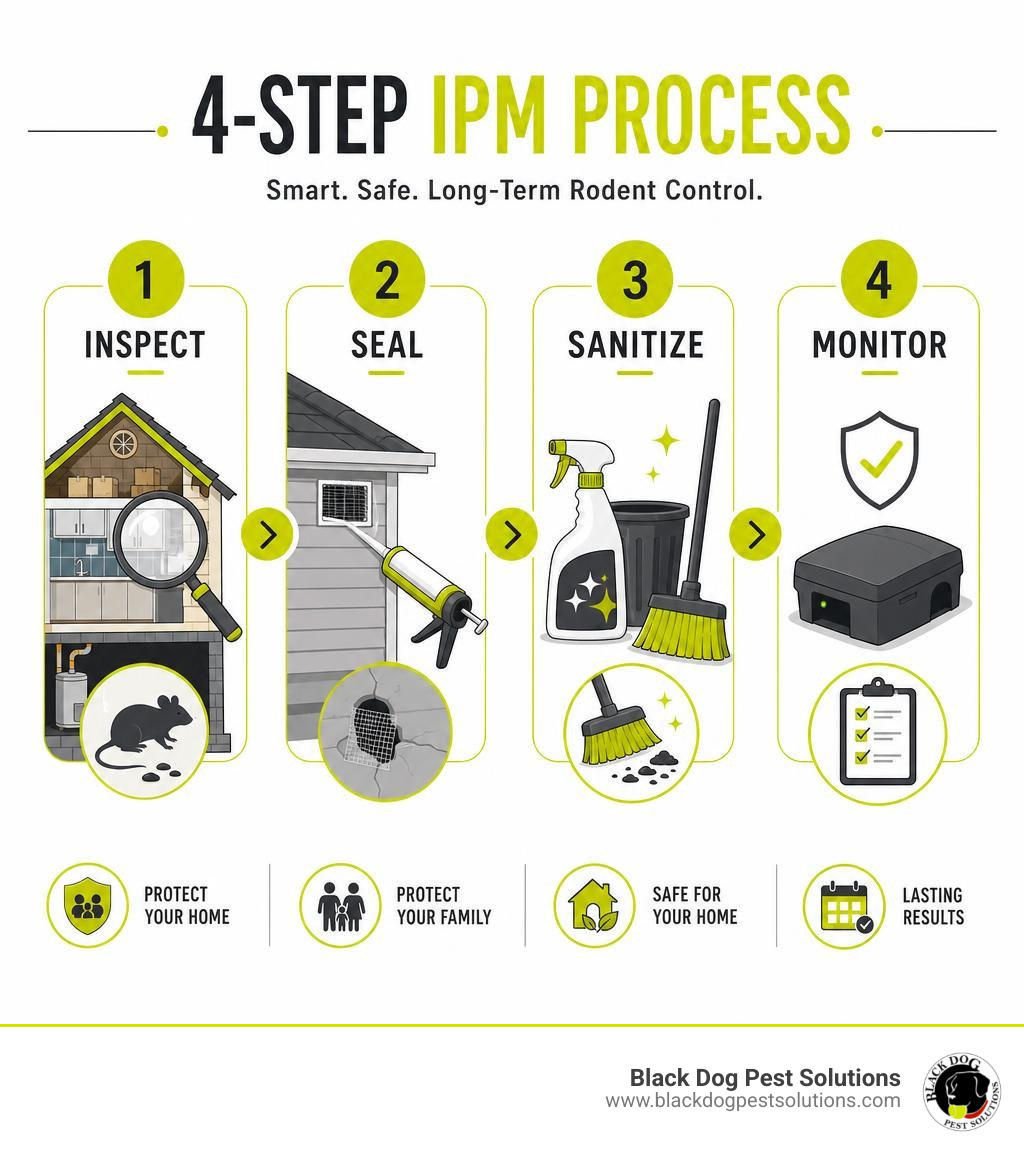
What to Expect During a Professional Rodent Removal Service
When you partner with professional pest control companies in Avon, you can expect a structured, multi-step service:
- Thorough Inspection: A technician will perform a detailed walkthrough of your property. They will inspect your attic, crawl space, basement, kitchen, and the entire exterior perimeter to locate nesting sites, active runways, and tiny entry points.
- Customized Treatment Plan: Based on their findings, they will design a plan tailored to your home’s unique layout, the rodent species involved, and the severity of the infestation.
- Active Removal & Trapping: Technicians will place professional-grade traps in highly targeted areas out of reach of children and pets.
- Exclusion Work: This involves sealing up all identified entry points to prevent new rodents from taking the place of the ones being removed.
- Follow-Up & Monitoring: The technician will return to check the traps, monitor for any remaining activity, and ensure the exclusion barriers are holding up.
For a deeper dive into how IPM keeps your home safe, read our article on Get Smart About Mice: What Is Integrated Pest Management?.
Humane Mouse Control and Non-Toxic Options
We understand that many homeowners prefer non-lethal, eco-friendly approaches to pest management. Humane mouse control focuses on minimizing stress and suffering for the animals while establishing prevention as the best long-term approach.
- Live-Catch Traps: Where appropriate and permitted by local regulations, live-catch traps can be used. These traps capture the rodent without harming it.
- Frequent Checks: If live-catch traps are used, they must be checked frequently per instructions to ensure the captured mice do not suffer from stress, dehydration, or hunger.
- Variable Release Guidance: Release guidance can vary significantly depending on your specific location, local wildlife regulations, and the situation. It is always best to consult with a licensed professional to understand the legal and practical guidelines for releasing captured wildlife in your area.
To learn more about compassionate and eco-friendly strategies, check out our guide on Compassionate Critter Control: Humane Mouse Removal Strategies.
6. How Can Homeowners Prevent Future Rodent Infestations?
Once your home is free of rodents, the goal is to keep it that way. Long-term prevention requires a combination of structural maintenance and simple daily habits.
Seal the Gaps
Inspect your home regularly for any new cracks or openings. Always use materials that are more resistant to chewing, such as:
- Steel wool or copper mesh stuffed tightly into gaps
- Heavy-duty metal flashing
- Concrete or mortar for foundation cracks
- Escutcheon plates around plumbing pipes
Keep It Clean
- Store Food Properly: Keep cereals, grains, pet food, and baking supplies in airtight glass, metal, or heavy plastic containers.
- Manage Trash: Use heavy-duty garbage cans with tight-fitting lids, and empty them regularly.
- De-Clutter: Keep basements, attics, and garages organized. Avoid stacking cardboard boxes directly on the floor; use plastic storage bins instead.
Managing Other Moisture-Loving Pests Like Springtails
While you are sealing up entry points and improving your home’s exterior, it is a great time to address other common household pests. Springtails, for example, are tiny, moisture-loving insects that often enter homes when outdoor conditions become too dry or too wet.
Fortunately, springtails found indoors or floating in swimming pools are completely harmless to humans and pets—they do not bite, sting, or damage your property, though they can be quite annoying. You can easily clean them up by vacuuming them indoors or skimming them out of the pool.
To manage springtails and keep them from becoming a persistent nuisance, moisture control is your primary fix:
- Keep Mulch Back: Maintain a 12-to-18-inch gap between organic mulch and your home’s foundation. Use gravel, river rock, or bare soil in this perimeter zone instead.
- Fix Drainage: Ensure your yard slopes away from the foundation so water does not pool near your walls.
- Extend Downspouts: Direct gutter runoff at least several feet away from your home’s exterior walls.
- Avoid Overwatering: Let your lawn and garden soil dry out slightly between waterings.
- Trim Vegetation: Keep shrubs, tree branches, and heavy ground cover trimmed back to allow sunlight and fresh air to dry the soil near your foundation.
- Seal Entry Points: Use weatherstripping and caulk to seal low-level gaps around doors, windows, and basement vents.
If the problem persists despite these moisture-control efforts, chemical treatments can be applied as a secondary line of defense, but they should always be combined with exclusion. Ohio requires a pesticide business license for anyone applying pesticides for hire, so it is always safest to call a licensed pest professional if you need chemical treatments.
Choosing the Right Rodent Removal Service in Northern Ohio
If you are looking for local assistance, it is wise to choose a service provider with deep roots in the community. Local pest control companies in Avon understand the unique architectural styles of homes in our area and the specific seasonal habits of Northern Ohio rodents.
To keep your storage areas clean and less appealing to pests, take a look at our practical guide on how to Keep Your Garage Squeaky Clean: A Guide to Effective Mice Control.
Frequently Asked Questions About Rodent Control
How quickly can a rodent problem escalate if left untreated?
Extremely quickly. Mice reproduce quickly, meaning a small population can rapidly grow into a major infestation in a very short period if left unchecked.
What guarantees or follow-up services do professional companies offer?
Reputable pest control companies typically offer follow-up monitoring and conditional support to ensure that the initial treatment plan was successful. Because rodents are highly adaptable wild mammals and structural conditions in homes can change over time, professional companies avoid making absolute guarantees or warranties. Instead, they focus on providing ongoing, long-term protection plans and routine maintenance visits to help keep your home secure.
To better understand how the pest control industry approaches service promises, read our article: Is Guaranteed Mice Removal a Myth? Unpacking Pest Control Promises.
Do rodents enter homes through plumbing or sewer pipes?
Yes, it is entirely possible. Mice and rats are excellent swimmers and can travel through sewer lines, occasionally entering homes by chewing through flexible plastic plumbing pipes or even climbing up through toilets. Installing proper metal mesh exclusion barriers over drains and vent pipes can help prevent these unusual entry points.
Conclusion
Dealing with a rodent infestation can be stressful, but you do not have to handle it alone. Taking a proactive, step-by-step approach—focused on thorough inspection, professional trapping, and sturdy exclusion—is the most effective way to protect your property and your family’s health over the long term.
At Black Dog Pest Solutions, we are proud to be a family-owned, BBB-accredited business led by Mat Ledyard. Serving Avon and the surrounding Northern Ohio communities since 2005, we have earned a 4.9/5-star Google rating by providing honest, professional, and highly effective pest management services.
If you suspect rats or mice have made themselves at home in your walls, attic, or crawl space, we are here to help. Reach out to one of the trusted pest control companies in Avon today to restore your peace of mind.
For more information on identifying and managing larger rodent species, visit our dedicated service page on Rats.