
Why Natural Pest Control Methods Are Worth Knowing About
Natural pest control methods give homeowners a way to manage common pests without reaching for harsh chemicals. Whether you’re dealing with ants marching across your kitchen counter or fleas hitching a ride on your dog, there are proven, non-toxic strategies that actually work.
Here’s a quick look at the most effective options:
| Method | Best For | How It Works |
|---|---|---|
| Diatomaceous earth (DE) | Ants, roaches, fleas | Damages insect exoskeletons, causing dehydration |
| Physical exclusion | Mice, roaches, spiders | Seals entry points about 1/4 inch or smaller |
| Neem oil | Garden insects, aphids | Disrupts feeding and reproduction cycles |
| Beneficial insects | Aphids, caterpillars | Natural predators eat pest populations |
| Companion planting | Garden pests | Repellent plants confuse or deter insects |
| Sanitation and moisture control | Most household pests | Removes food, water, and shelter sources |
| Botanical sprays | Mosquitoes, ants, flies | Essential oils and plant extracts repel pests |
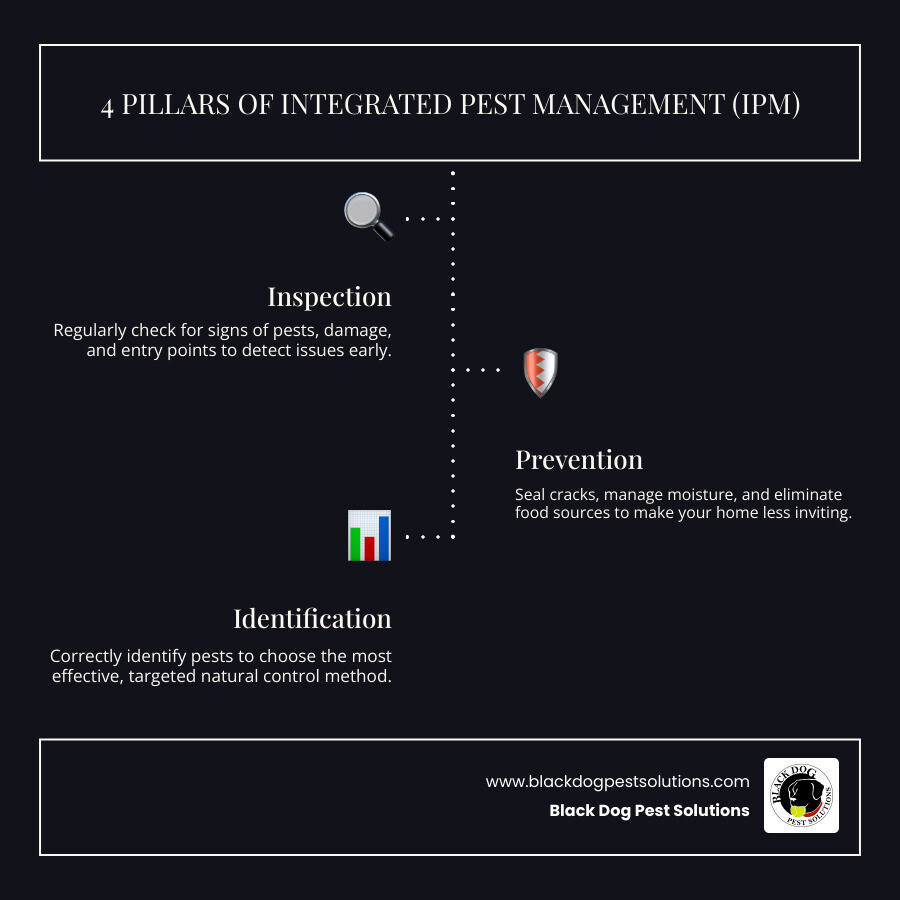
These methods work best as part of a broader Integrated Pest Management (IPM) approach — one that combines inspection, prevention, identification, and targeted treatment rather than blanket chemical applications.
Pests are a real problem. They account for an estimated 20 to 40% of global crop losses every year, and indoors they can damage property and pose health risks. The good news is that many infestations can be prevented or reduced significantly with the right natural strategies in place — before they get out of hand.
I’m Mat Ledyard, owner of Black Dog Pest Solutions in Avon, Ohio, and I’ve been working in pest control since 2005. Over those two decades, I’ve seen which natural pest control methods hold up in the real world and which ones hold short — and I’ll share that honest perspective throughout this guide.
1. Mechanical Barriers: Diatomaceous Earth and Physical Exclusion
When we talk about natural pest control methods, we like to start with the “heavy hitters” that work through physics rather than chemistry. Mechanical barriers are some of the most reliable tools in our kit because pests can’t develop a biological resistance to being physically blocked or dehydrated.
The Magic of Diatomaceous Earth (DE)
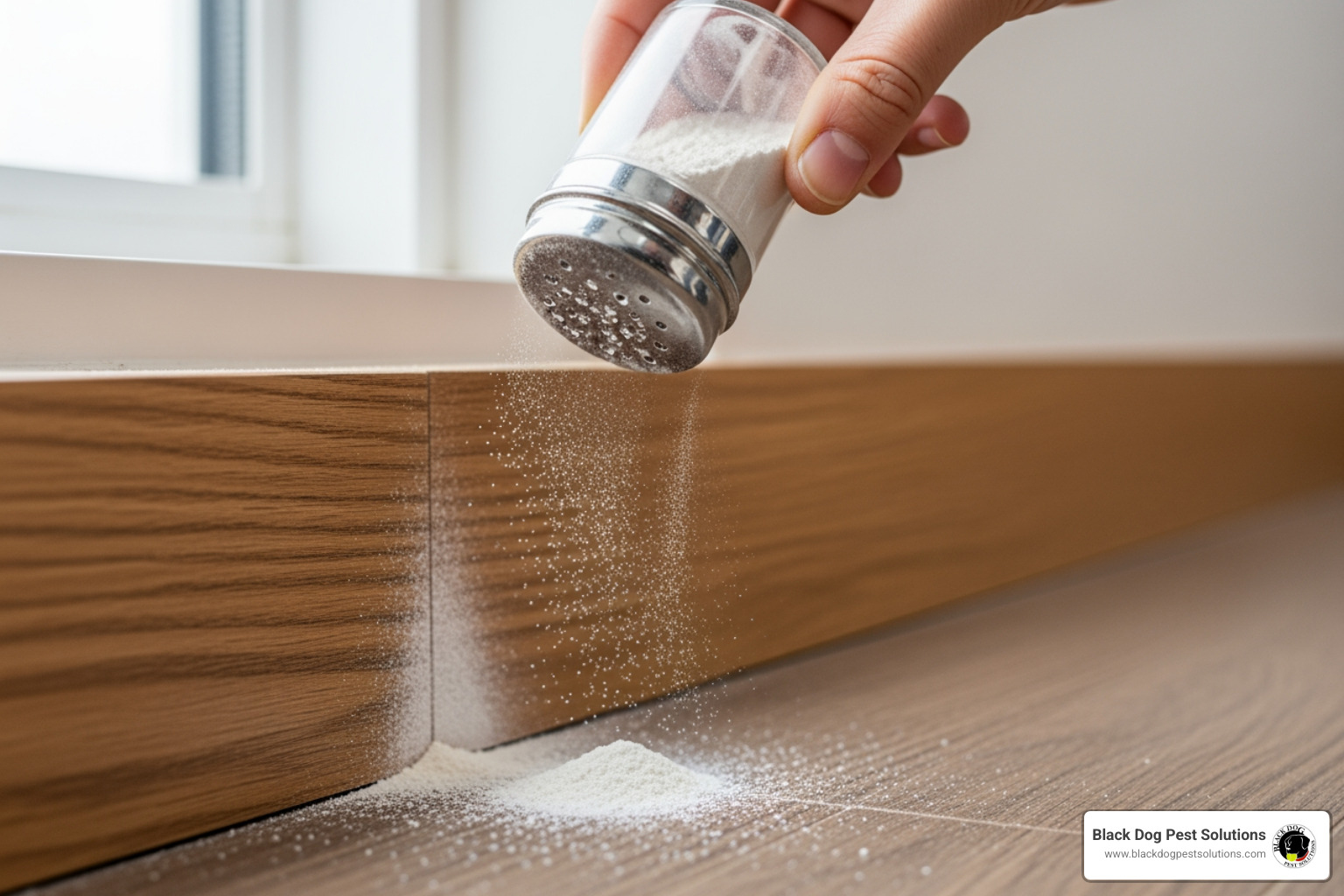
Diatomaceous earth is essentially a fine powder made from the fossilized remains of tiny aquatic organisms called diatoms. While it feels like soft flour to us, on a microscopic level, it’s incredibly sharp.
- How it works: As insects like ants, roaches, or fleas crawl over the powder, the silica dust causes microscopic abrasions on their exoskeletons. This damage leads to rapid dehydration and death.
- Safety first: Always use “food-grade” DE. Avoid “pool-grade” versions, which contain different silica structures that are hazardous to breathe. Even with food-grade, we recommend wearing a dust mask during application to avoid irritating your lungs.
- Application: Lightly dust it into cracks, crevices, and behind appliances. If it gets wet, it loses its effectiveness, so you’ll need to reapply after cleaning or rain.
Sealing the Deal: Physical Exclusion
The most effective way to handle a pest problem is to ensure it never starts. In Northern Ohio, our changing seasons mean pests are constantly looking for a way into your climate-controlled home.
We focus on any entry points that are about 1/4 inch or smaller. If a pencil can fit through a gap, a young mouse likely can too.
- Door Sweeps: Install heavy-duty sweeps on all exterior doors.
- Metal Materials: Use steel wool or copper mesh to pack gaps around plumbing pipes under sinks. These materials are more resistant to chewing than expanding foam alone.
- Caulking: Use high-quality caulk to seal window trim. For larger gaps, we suggest using a backer rod before caulking to ensure a better seal.
By following the USDA’s Practice Integrated Pest Management (IPM) guidelines, you create a fortress that pests simply can’t penetrate.
Effective Natural Pest Control Methods for Ants and Roaches
If ants have already found their way in, you can learn natural ways to tell carpenter ants to buzz off. Beyond DE, simple household items can help:
- Soapy Water: A spray bottle with dish soap and water kills ants on contact and erases their scent trails.
- Cucumber Peels: Many ants have a natural aversion to cucumber; placing peels near entry points can act as a temporary deterrent.
- Boric Acid: While it is a naturally occurring mineral, it acts as a stomach poison for roaches. Place it in high, dry areas like the tops of kitchen cabinets where roaches love to hide.
- Moisture Management: For damp-loving pests, check out our guide on eco-friendly extermination and organic methods for pill bug control.
2. Botanical Solutions and DIY Home Remedies
Nature has spent millions of years developing its own chemical warfare to keep bugs away from plants. We can harness these botanical powerhouses to protect our homes in Greater Cleveland.
Neem Oil: The Multi-Tasker
Neem oil is derived from the seeds of the neem tree and contains a compound called azadirachtin. It doesn’t usually kill on contact; instead, it works as a:
- Growth Regulator: It prevents larvae from molting and maturing.
- Anti-feedant: It makes the plant taste terrible to pests, so they stop eating.
- Repellent: Its strong scent keeps new pests away.
Essential Oils and Kitchen Brews
Research from the University of Florida highlights how specific scents can disrupt pest behavior.
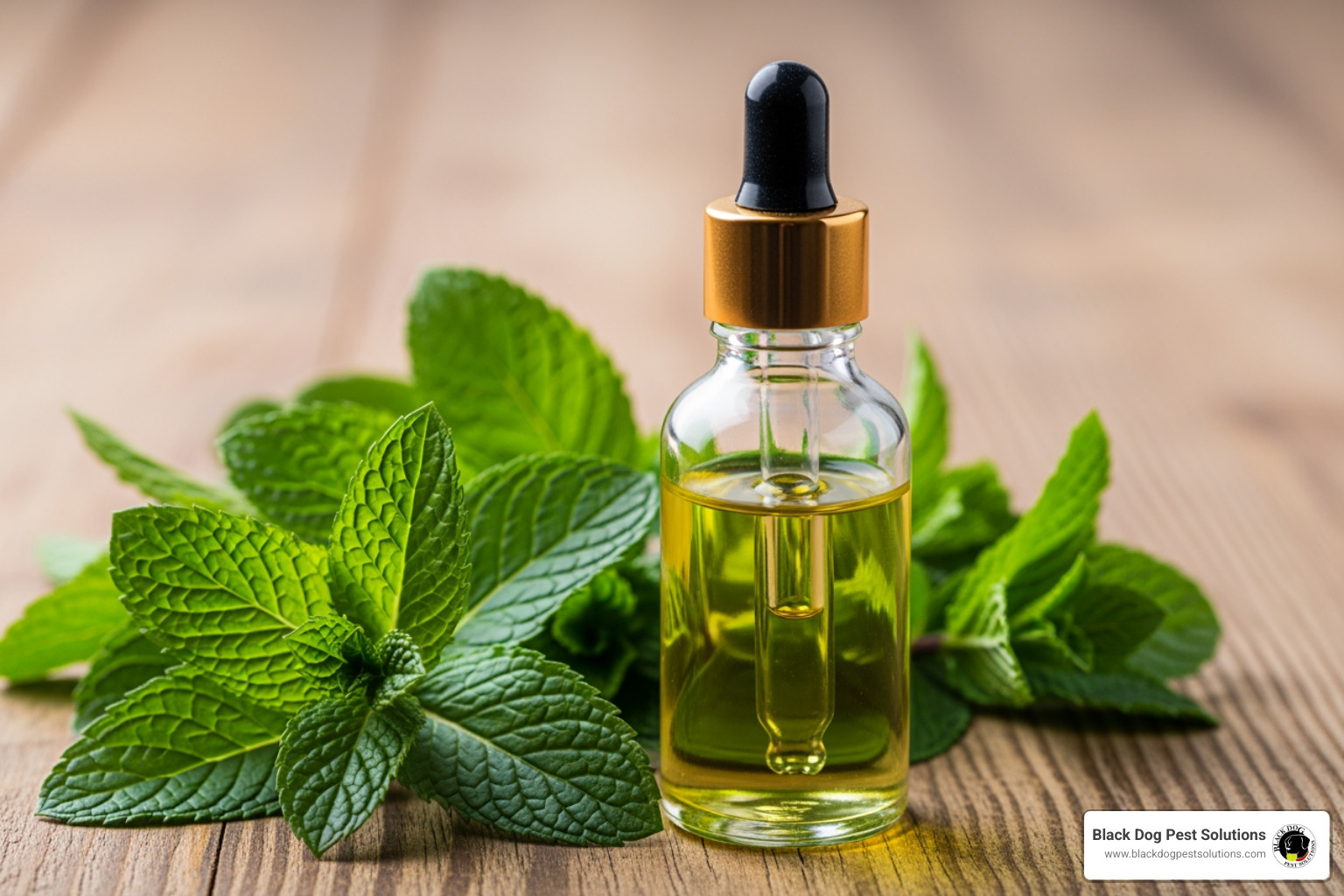
- Peppermint Oil: Excellent for deterring spiders and ants. Mix 15 drops with a cup of water and a dash of soap.
- Eucalyptus and Citronella: These are classic choices for flying insects like mosquitoes and flies.
- Coffee Grounds: Don’t throw those morning grounds away! Dried, roasted coffee grounds can be sprinkled around the perimeter of your garden to mask the scent of your plants from slugs and snails.
- Hot Pepper and Garlic: A “Garlic Brew” or “Hot Pepper Solution” (steeping chopped peppers in water for 24 hours) creates a potent spray for garden pests. Just be sure to wear gloves when mixing!
3. Biological Control and Companion Planting
Sometimes, the best way to handle a pest is to let its natural enemy do the work for you. This is known as biological control, and it’s a cornerstone of sustainable natural pest control methods.
Recruiting “The Good Guys”
By creating a welcoming habitat for beneficial insects, you can keep pest populations in check without lifting a finger.
- Ladybugs and Lacewings: These are voracious predators of aphids and mites. A single ladybug can eat up to 50 aphids a day!
- Parasitic Wasps: Don’t worry—these aren’t the kind that sting humans. They lay eggs inside pests like caterpillars, controlling the population from the inside out.
- Beneficial Nematodes: These microscopic worms live in the soil and target the larvae of fleas, gnats, and grubs.
Companion Planting: The Buddy System
In your Avon garden, what you plant next to your vegetables matters.
- Marigolds: These release thiophene, which is toxic to harmful soil nematodes.
- Lavender and Rosemary: Their strong scents are pleasant to us but act as a “no-fly zone” for many insects.
- Basil: Planting basil near tomatoes can help repel aphids and whiteflies while improving the flavor of your harvest.
Benefits of Natural Pest Control Methods in Northern Ohio
The shift toward organic solutions is massive. In fact, retail sales of organic food in the U.S. reached $65.4 billion in 2024. Why the change?
- Pollinator Safety: Natural methods are much kinder to bees and butterflies.
- Ecosystem Balance: You aren’t just killing “bugs”; you’re supporting a healthy food web.
- Long-term Resilience: Over-reliance on chemicals can lead to “super-bugs.” Natural methods encourage a balanced environment that is less prone to sudden outbreaks.
4. Cultural Practices and Sanitation Strategies
Sanitation is the least glamorous part of pest control, but it is undoubtedly the most important. If you remove the “Big Three”—food, water, and shelter—pests will naturally move elsewhere.
Starving the Invaders
- Airtight Containers: Cardboard boxes are an invitation for pantry moths and roaches. Switch to glass or hard plastic bins.
- Debris Management: Remove leaf litter and woodpiles from against your home’s foundation. This creates a “dry zone” that many pests won’t want to cross.
- Moisture Control: Fix leaky pipes and ensure your gutters are clear. Standing water is the primary breeding ground for mosquitoes and a massive draw for rodents.
Humane Mouse Control
When it comes to rodents, prevention as the best long-term approach. Because mice reproduce quickly, a small problem can become a large one in a matter of weeks.
Local weather and building conditions in areas like Lorain or Elyria can make homes more attractive to mice, especially as the temperatures drop. Our goal is always minimizing stress and suffering for the animal while protecting your home.
- Seal Entry Points: Again, that 1/4 inch rule is vital.
- Sanitation: Mice are remarkably good at finding crumbs. A clean kitchen is your best defense.
- Live-Catch Traps: If you choose to use live-catch traps, please check them frequently (at least once or twice a day) per the manufacturer’s instructions to ensure the animal doesn’t suffer from dehydration or stress.
For more detailed advice, read our guide on compassionate critter control and humane mouse removal strategies.
5. Professional IPM and Pest Control Companies in Avon
While DIY natural pest control methods are fantastic for prevention and light maintenance, some situations require a professional eye. Structural infestations (like termites) or health-hazardous pests (like bed bugs) are often too complex for home remedies.
When to Call the Experts
Pest control companies in Avon specialize in identifying the root cause of an infestation. At Black Dog Pest Solutions, we use a sophisticated IPM approach that prioritizes your family’s safety.
- Termite Monitoring: We use advanced systems to detect activity before it causes structural damage.
- Heat Treatment: For bed bugs, we use high-heat environments to dehydrate and eliminate all life stages of the pest without a single drop of pesticide.
- Seasonal Patterns: We understand the specific pest cycles of Northern Ohio—from the spring surge of ants to the fall invasion of spiders.
DIY Natural Methods vs. Professional IPM
| Feature | DIY Natural Methods | Professional IPM (Black Dog) |
|---|---|---|
| Cost | Low (Household items) | Moderate (Service fee) |
| Effort | High (Frequent reapplication) | Low (We do the work) |
| Efficacy | Best for light pressure | Best for established infestations |
| Speed | Slow/Gradual | Fast/Immediate |
| Safety | High (Non-toxic) | High (Targeted & Professional) |
| Long-term Monitoring | Homeowner’s responsibility | Included in service plans |
If you’re looking for pest control companies in Avon that value transparency and professionalism, we’re here to help. We’ve built our reputation on being a licensed, family-owned business that treats your home like our own.
Frequently Asked Questions about Natural Pest Control Methods
Are natural pest control methods safe for pets and children?
Generally, yes! Food-grade DE and diluted essential oils are much safer than traditional sprays. However, “natural” doesn’t always mean “edible.” Keep DE out of reach to avoid inhalation risks, and ensure essential oils are properly diluted, as some can be sensitive to cats or dogs in high concentrations.
How long do natural repellents typically last?
Botanical sprays like peppermint or vinegar are highly sensitive to weather and evaporation. You should expect to reapply these every 7-14 days, or more frequently if it rains. Natural methods require more “active” management than chemical ones.
When should I stop DIY efforts and call pest control companies in Avon?
If you see signs of structural damage (like mud tubes from termites), find droppings in multiple rooms, or if the pest population isn’t shrinking after two weeks of DIY effort, it’s time for a professional assessment. Some pests, like German cockroaches or bed bugs, are nearly impossible to eliminate without specialized equipment.
Conclusion
Embracing natural pest control methods is a journey toward a healthier home and a more balanced local environment. Whether you’re sealing up gaps in your foundation or planting a row of marigolds, every small step helps reduce the need for harsh chemicals.
At Black Dog Pest Solutions, Mat Ledyard and our team have been providing IPM-focused protection to the Northern Ohio community since 2005. With a 4.9/5.0-star rating and a commitment to professional, family-owned service, we are proud to be one of the leading pest control companies in Avon.
If you’ve tried the DIY route and need a little extra help, or if you want a professional to design a long-term prevention plan for your property, we’re ready to jump in.